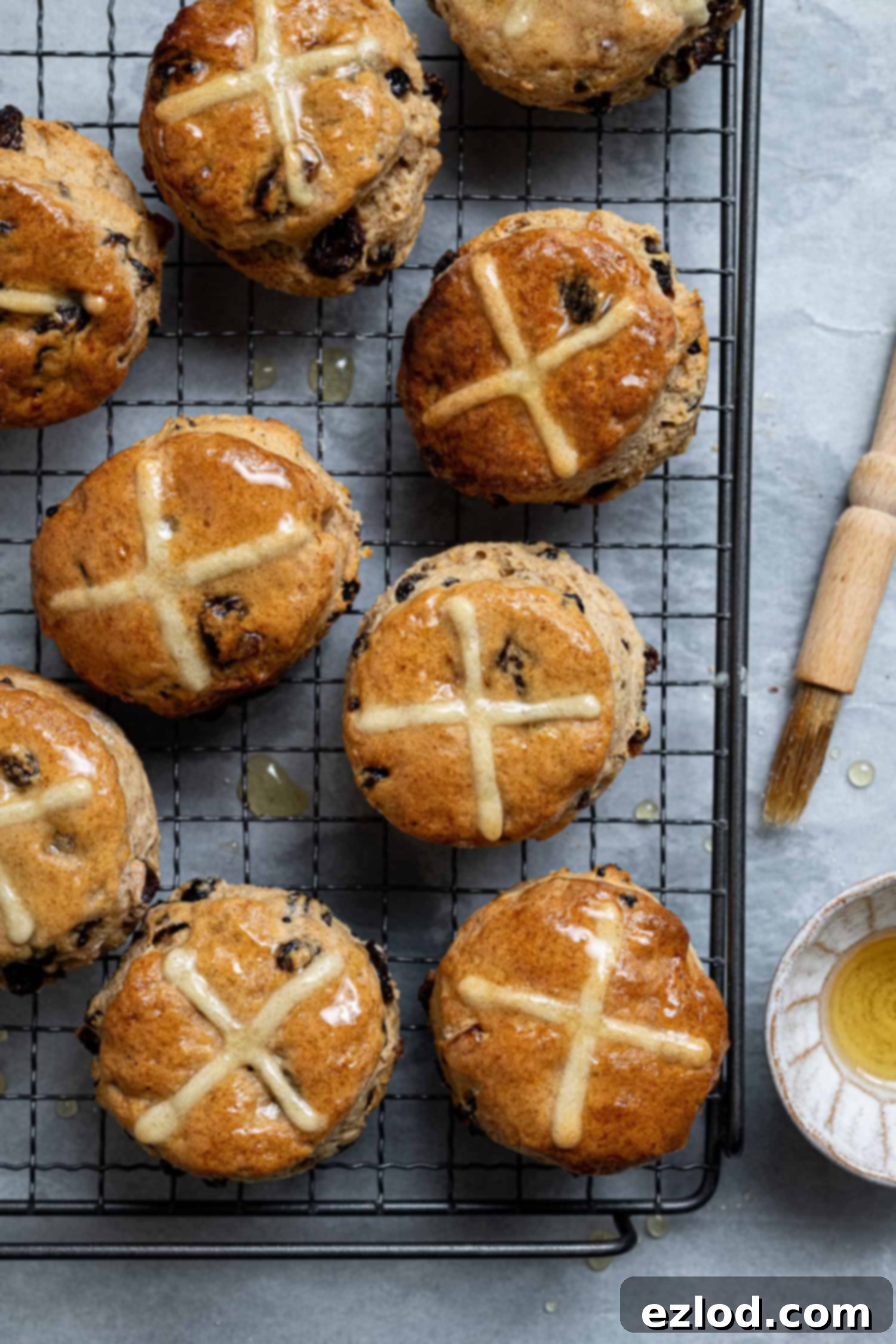
Easy Vegan Hot Cross Scones: A Delightful Easter Recipe
Looking for a delicious and quick alternative to traditional hot cross buns this Easter? These vegan hot cross scones are the perfect solution! They capture all the warm, spiced flavors of hot cross buns but are much simpler and faster to make. Enjoy these delightful scones for breakfast, a midday snack, or as part of an afternoon tea.
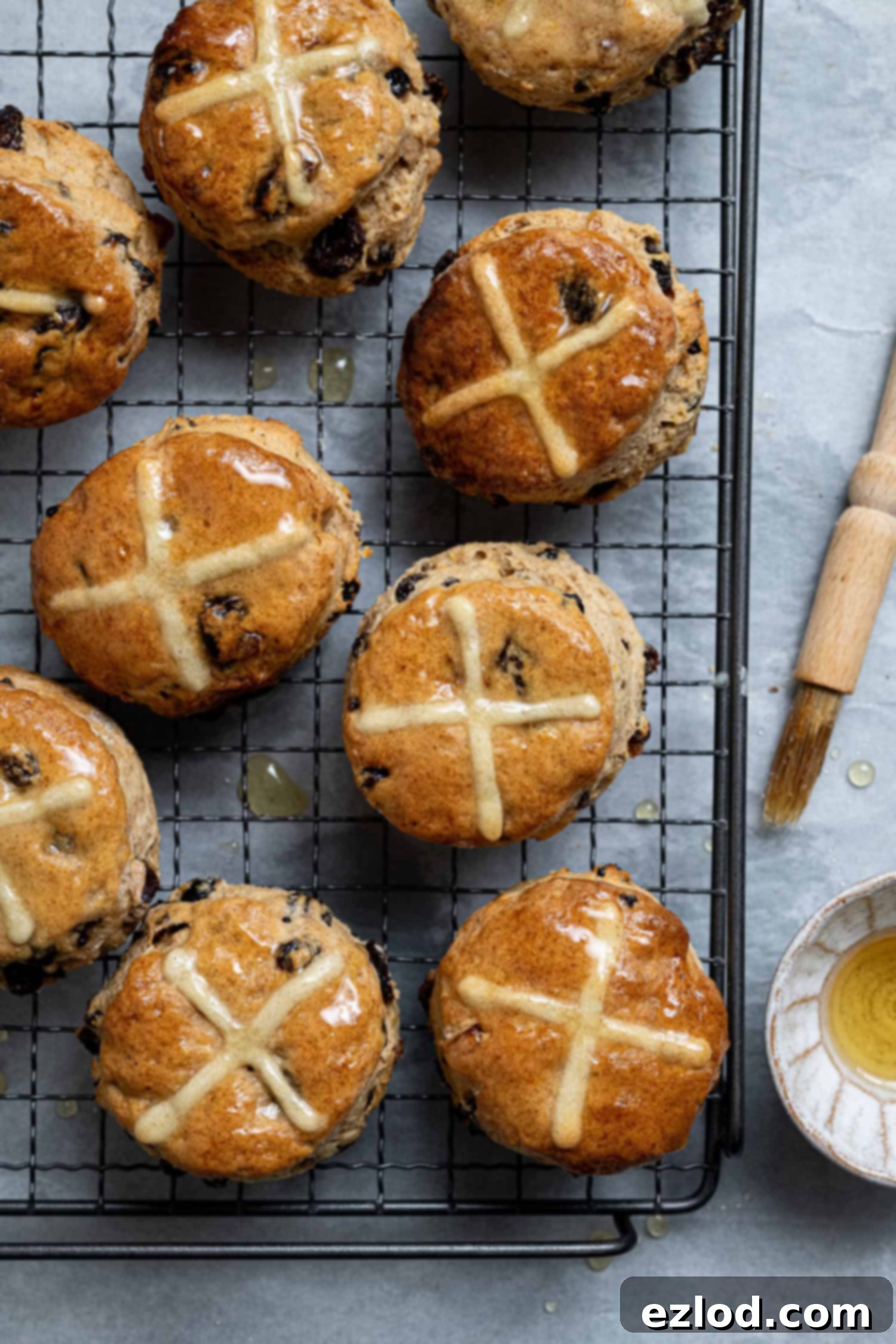
Traditional hot cross buns are undeniably delicious, but they can be time-consuming to prepare. If you crave the distinctive flavors of these classic Easter treats but need a quicker, more straightforward recipe, these vegan hot cross scones are just what you need! They’re perfect for busy bakers and anyone looking to enjoy a taste of Easter without spending hours in the kitchen.
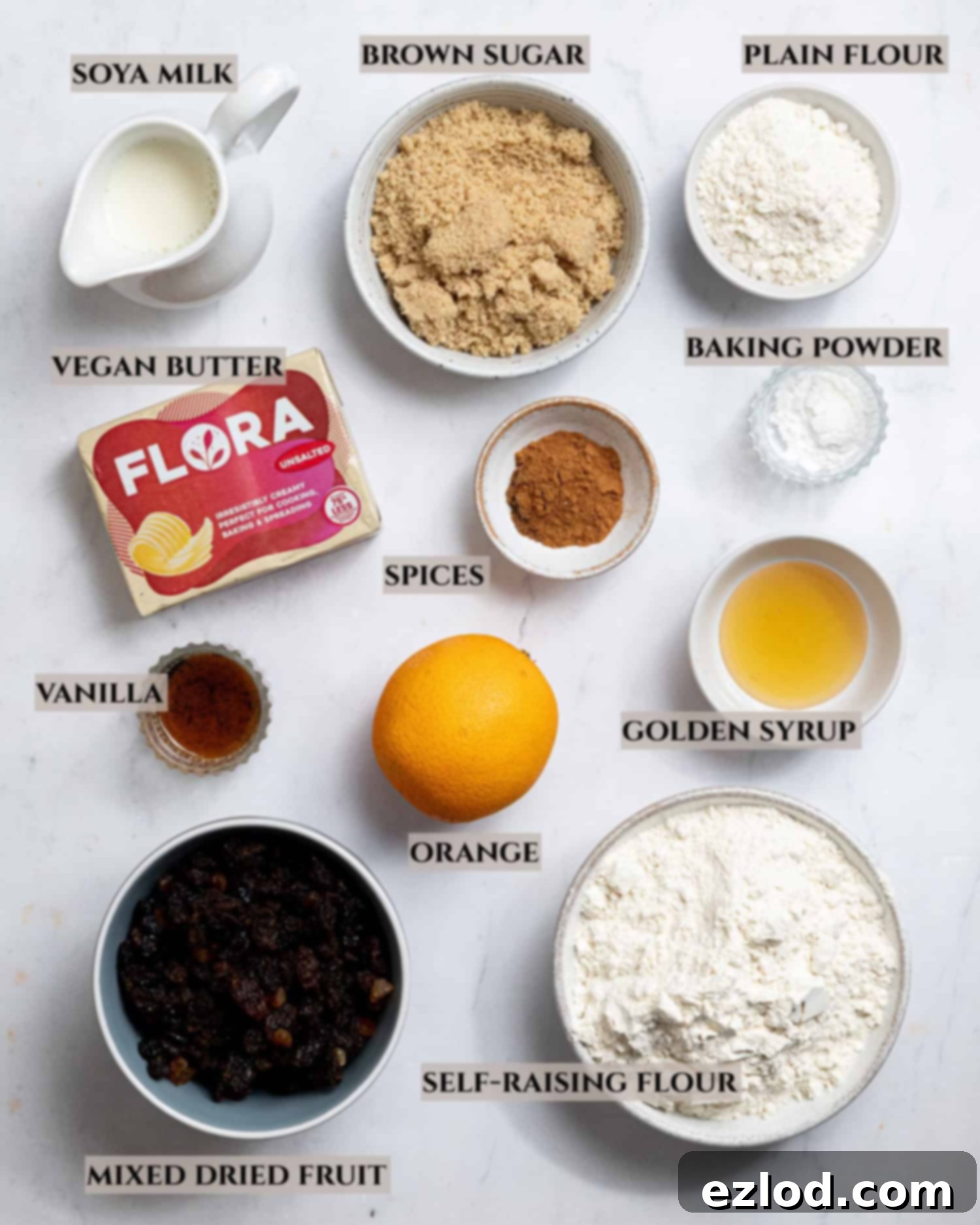
Ingredient Spotlight: Key to Perfect Vegan Hot Cross Scones
To ensure your vegan hot cross scones turn out perfectly, let’s take a closer look at the key ingredients and why they are essential for achieving the best results:
Vegan Block Butter
For the most flaky and tender scones, it’s crucial to use a cold, firm **vegan block butter** or margarine. Avoid using spreadable vegan butter in a tub, as it contains too much water, which can negatively impact the texture of your scones. We recommend using Naturli Vegan Block or Flora Plant Butter for optimal results.
Non-Dairy Milk
Any type of unsweetened non-dairy milk will work well in this recipe, but avoid using tinned coconut milk, which can be too heavy. **Soy milk** is our preferred choice, as it tends to provide the best texture and flavor.
Self-Raising Flour
**Self-raising flour (self-rising flour)** is ideal for achieving a light and airy texture in your scones. If you can’t find self-raising flour, you can substitute it by using plain flour and adding 4 ½ teaspoons of baking powder. You will also need additional plain flour to create the crosses on top of the scones.
Baking Powder
Scones require a significant amount of leavening to rise properly. Therefore, we enhance the self-raising flour with an extra boost of **baking powder** to ensure a light and fluffy final product.
Brown Sugar
We prefer using **light brown soft sugar** in this recipe for its subtle molasses flavor and moist texture. However, you can also use caster or granulated sugar as a substitute.
Orange Zest and Juice
**Orange zest** adds a bright, citrusy aroma and flavor to the scones, complementing the warm spices. A touch of **orange juice** provides a bit of acidity, which helps to create a light and tender crumb.
Mixed Dried Fruit
We use a classic **mixed dried fruit** blend of raisins, sultanas, currants, and candied peel to add sweetness and chewiness to the scones. If you prefer, you can use just sultanas for a simpler flavor profile.
Mixed Spice
For those unfamiliar with it, **mixed spice** is a quintessential British blend of sweet spices commonly used in festive baking. It’s similar to pumpkin spice but typically contains a different blend of spices and is less heavy on the cinnamon. You can substitute it with any sweet spice blend, such as pumpkin pie spice or apple pie spice, if desired.
Golden Syrup
To give the baked scones a beautiful, shiny glaze, we brush them with **golden syrup**. You can also use maple syrup, warmed apricot jam, or marmalade as alternatives.
Step-by-Step Guide: Making Your Own Vegan Hot Cross Scones
Follow these simple steps to create your own batch of delicious vegan hot cross scones. Each step is designed to ensure that even novice bakers can achieve perfect results every time.
(Full measurements and detailed instructions are available in the recipe card at the bottom of this page.)
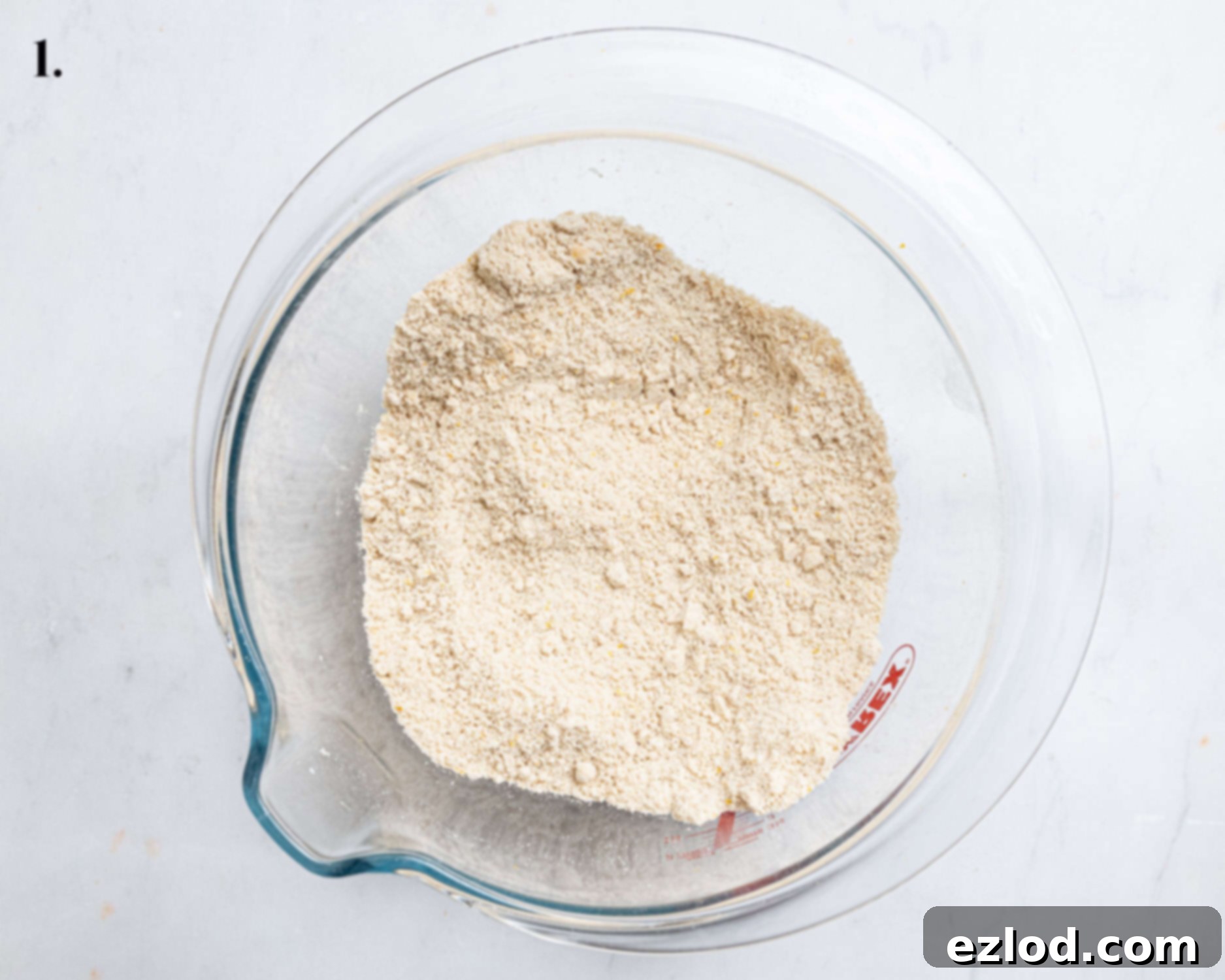
- Step 1: In a large bowl, mix together the flour, baking powder, and spices. Add the butter and orange zest, then rub the butter into the flour mixture using your fingertips until it resembles breadcrumbs and no large lumps of butter remain.
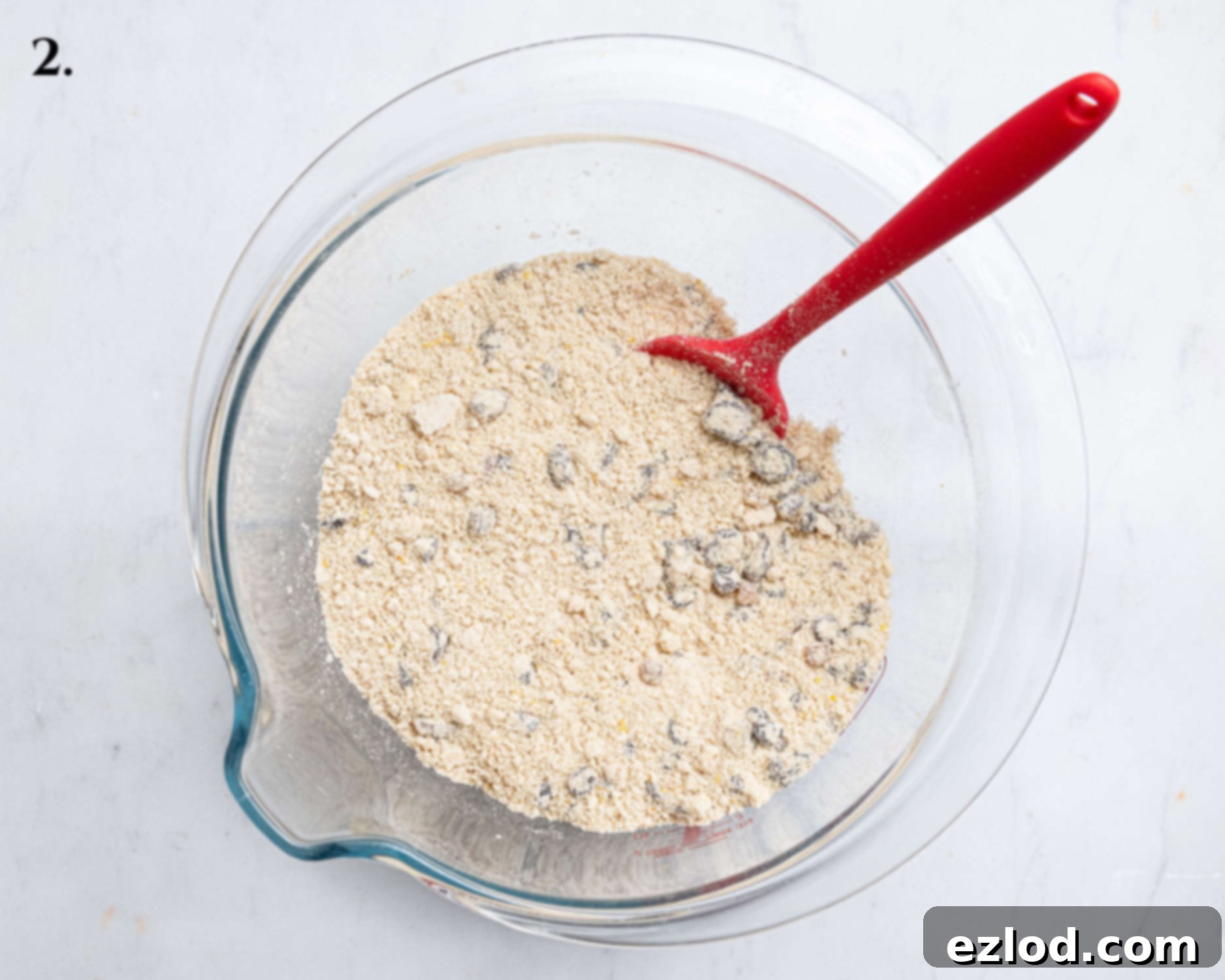
- Step 2: Stir in the sugar and mixed dried fruit, ensuring they are evenly distributed throughout the dry ingredients.
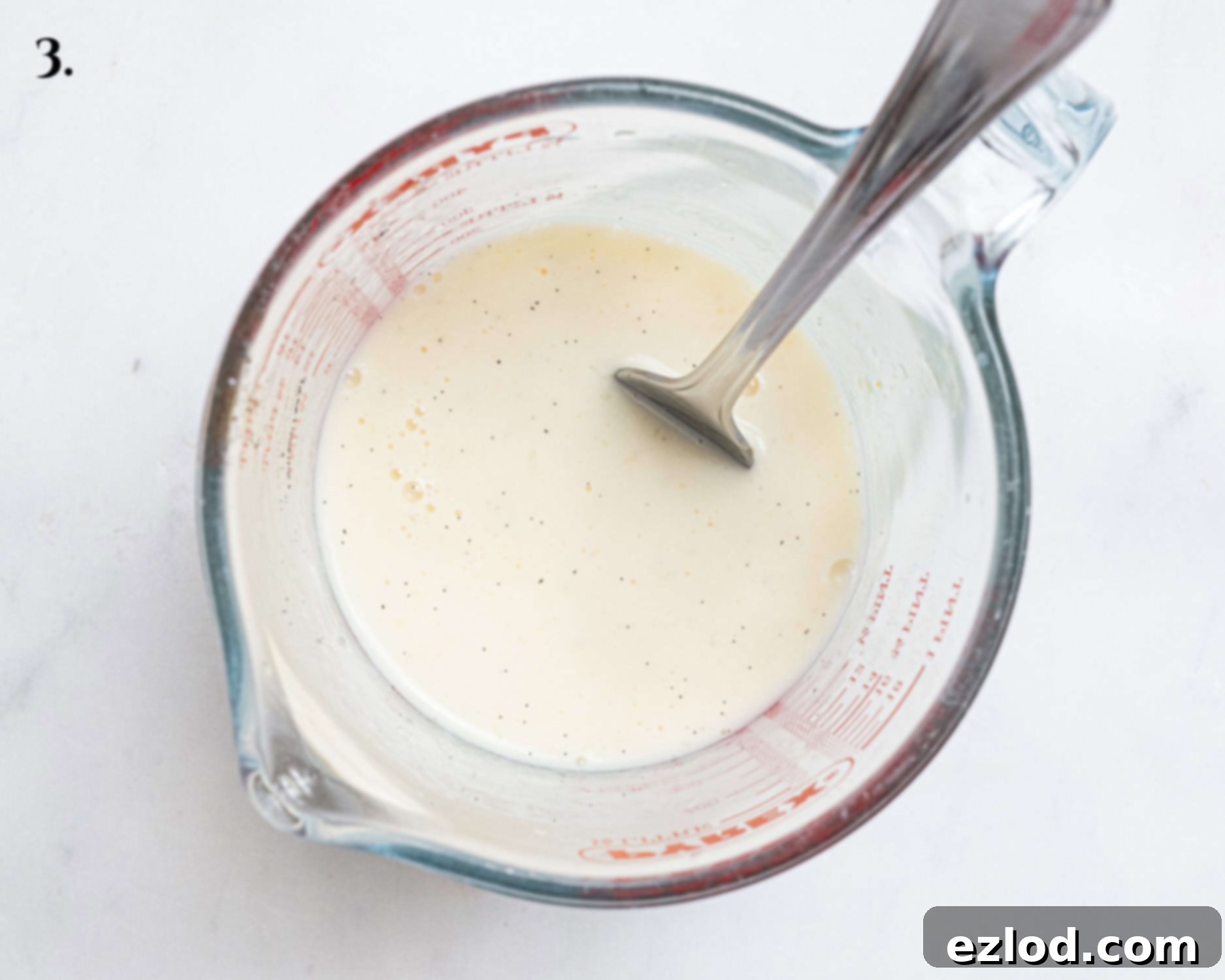
- Step 3: In a separate jug, mix together the milk, orange juice, and vanilla extract until well combined.
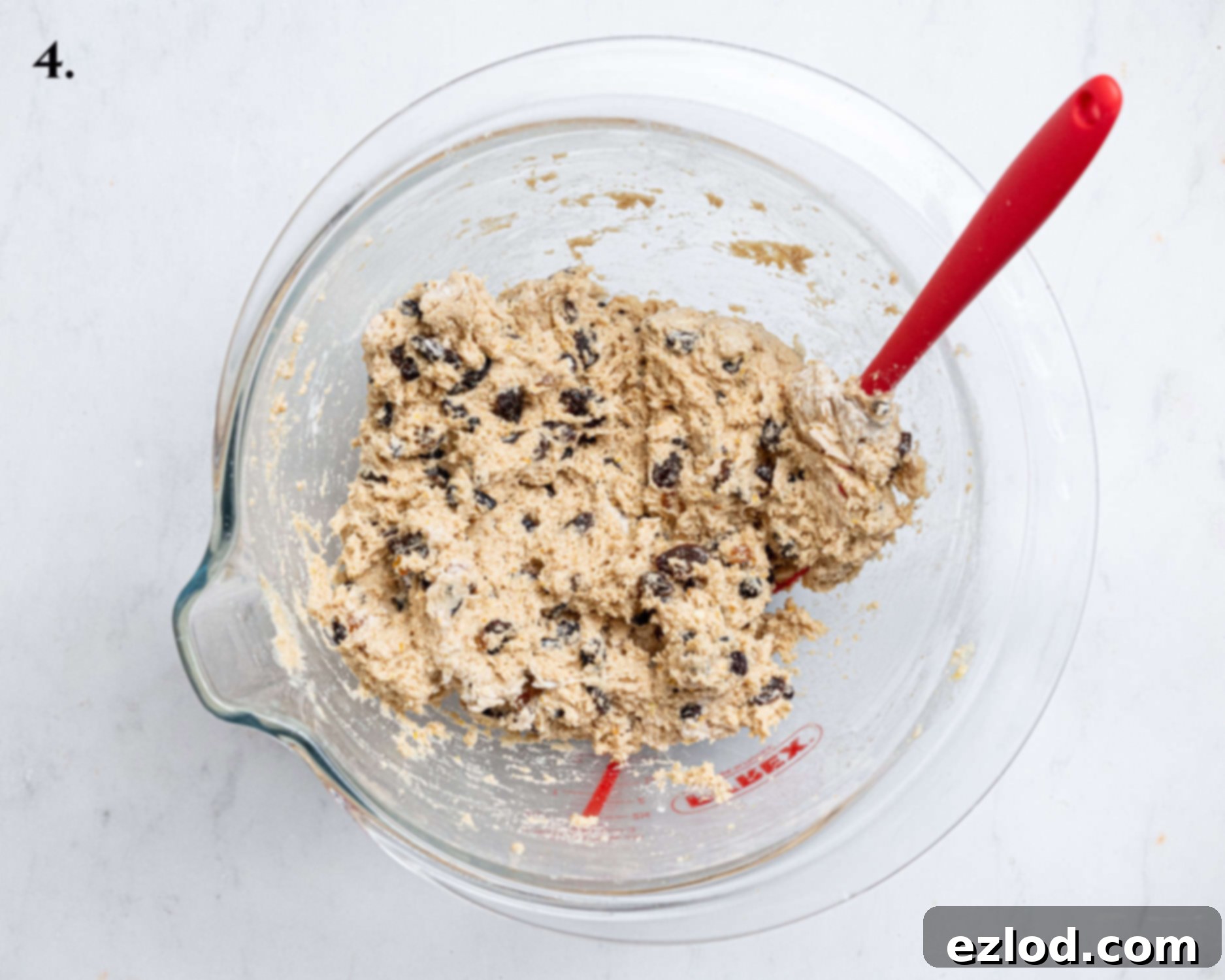
- Step 4: Pour the wet ingredients into the dry ingredients and stir gently until just combined. Be careful not to overmix; the dough should be soft and slightly sticky.
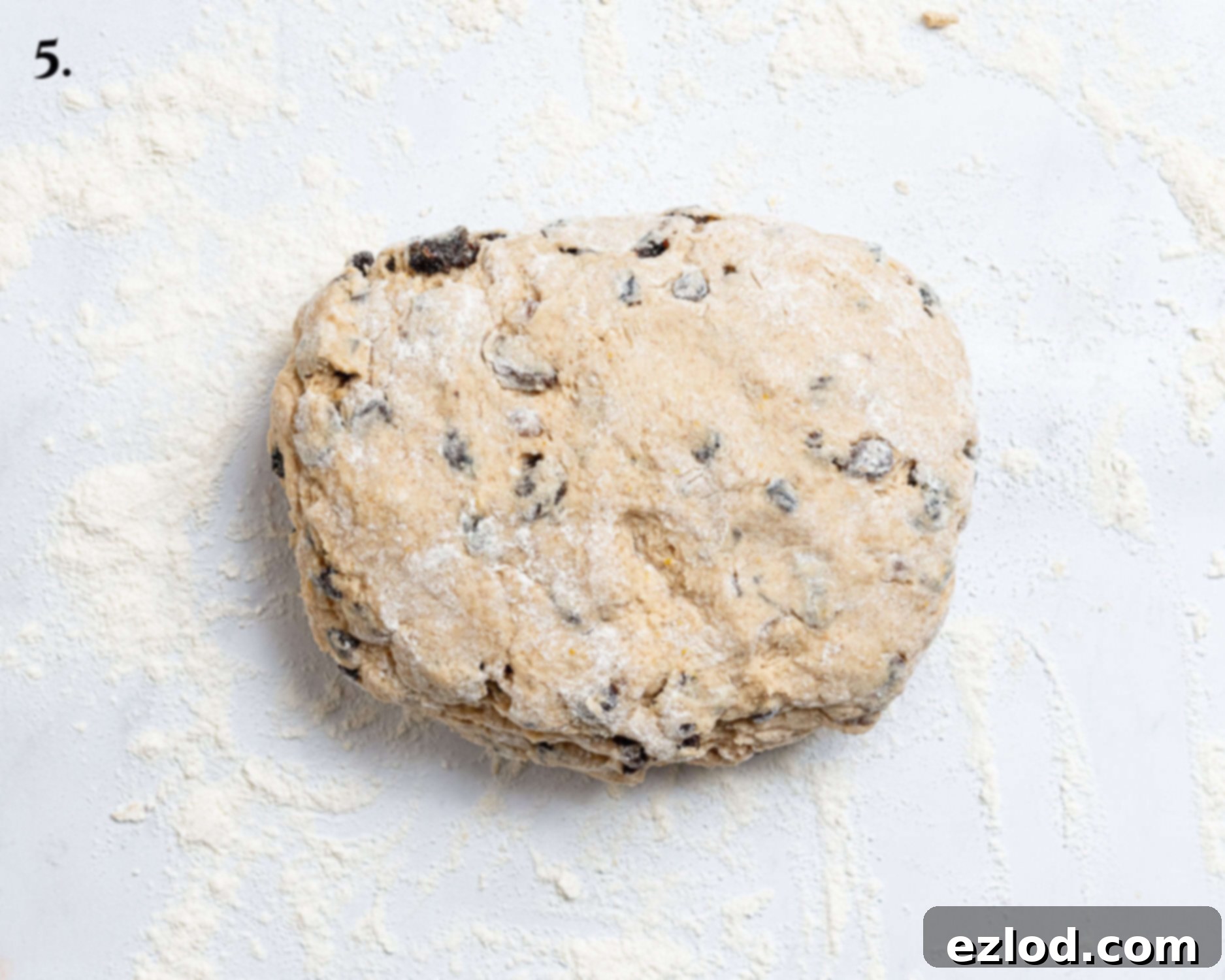
- Step 5: Turn the dough out onto a lightly floured surface. Sprinkle the top of the dough with more flour and gently pat it out into a rectangle. Fold the rectangle in half, then pat it out again. Repeat this folding process twice more to create flaky layers in the scones.
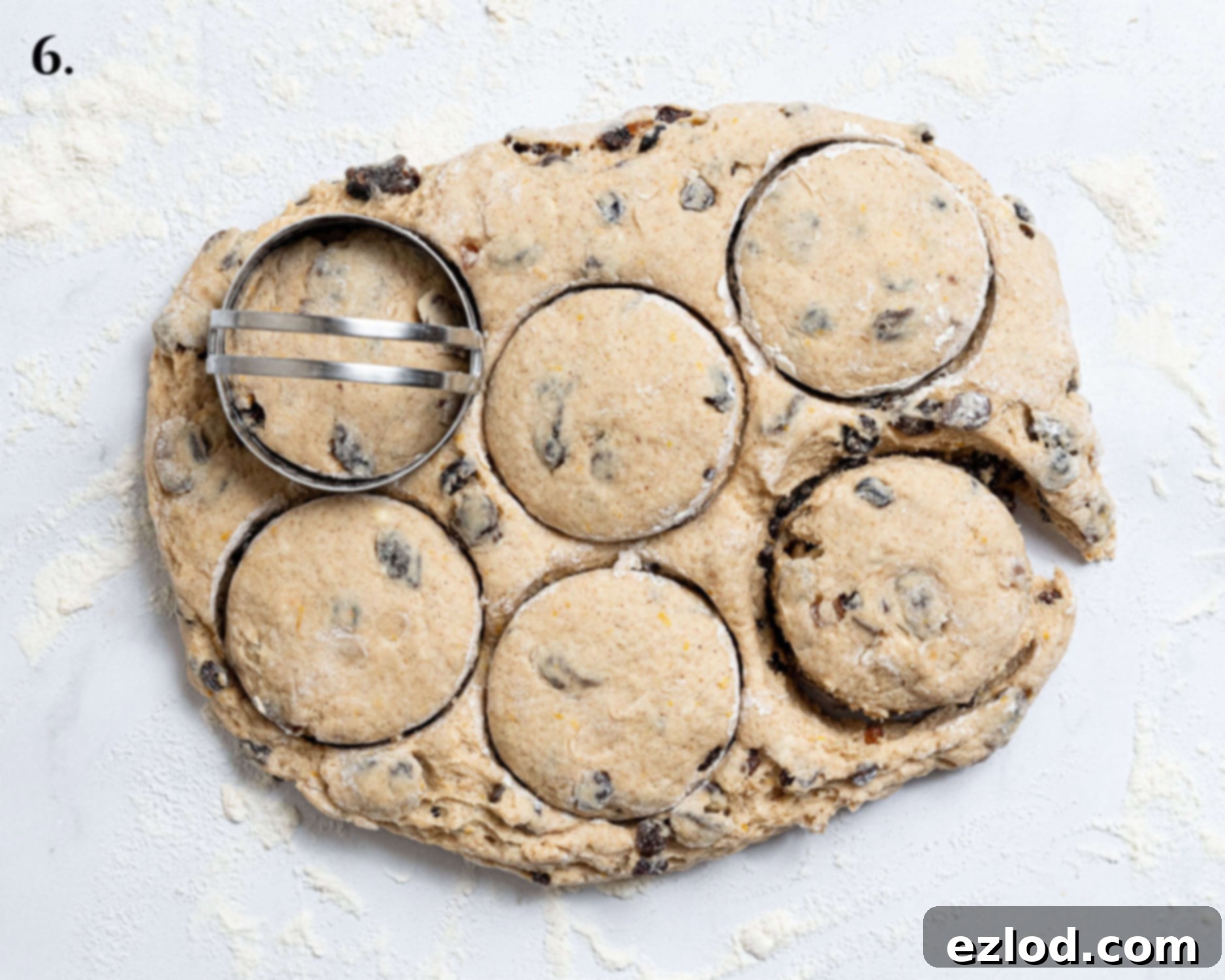
- Step 6: Pat the dough out to a thickness of about 4cm (1 ½ inches). Use a floured 6cm cookie cutter to cut out as many scones as possible. Place the scones onto a lined baking sheet, leaving some space between them.
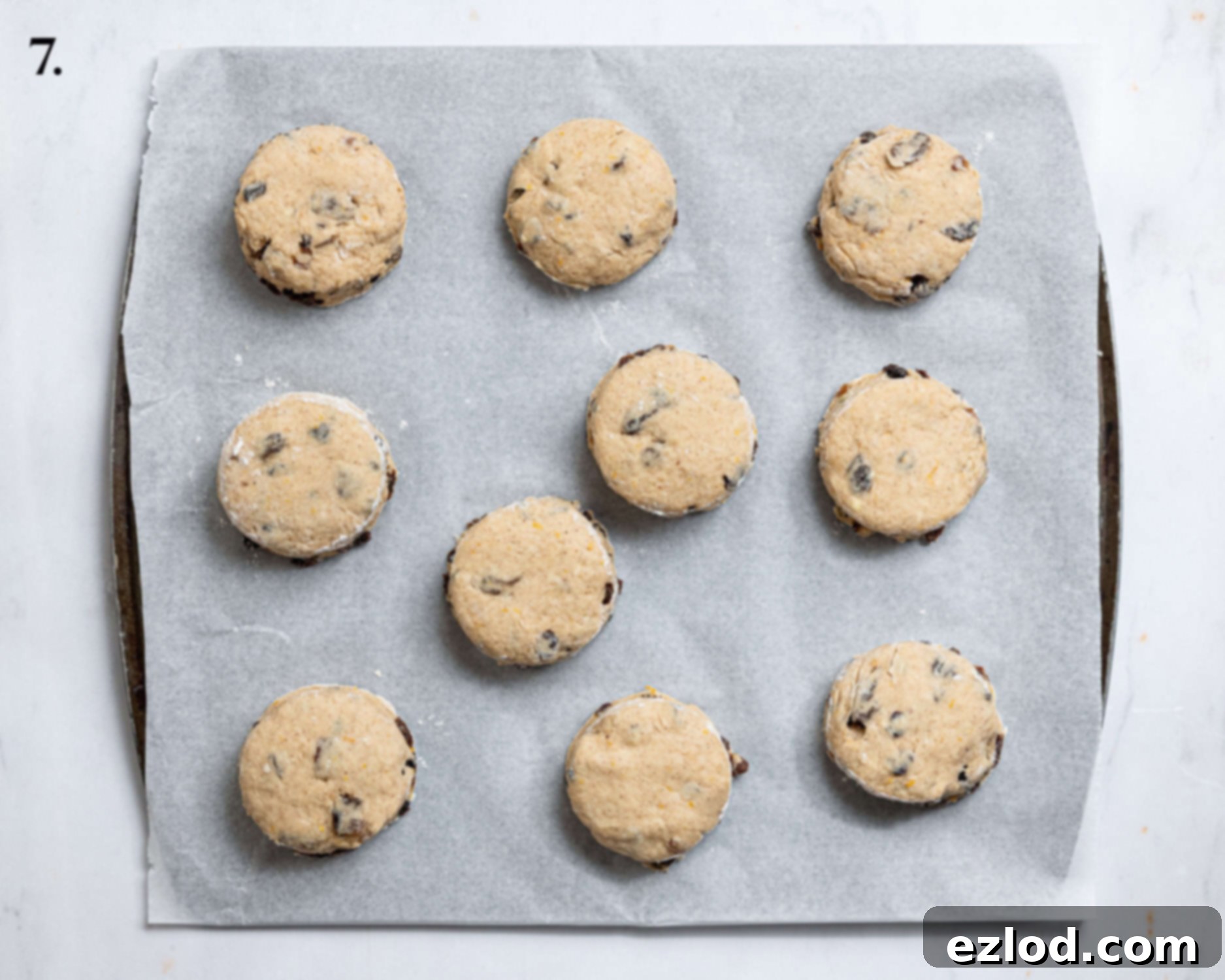
- Step 7: Place the cut-out scones on the prepared baking sheet, ensuring they are spaced apart to allow for even baking.
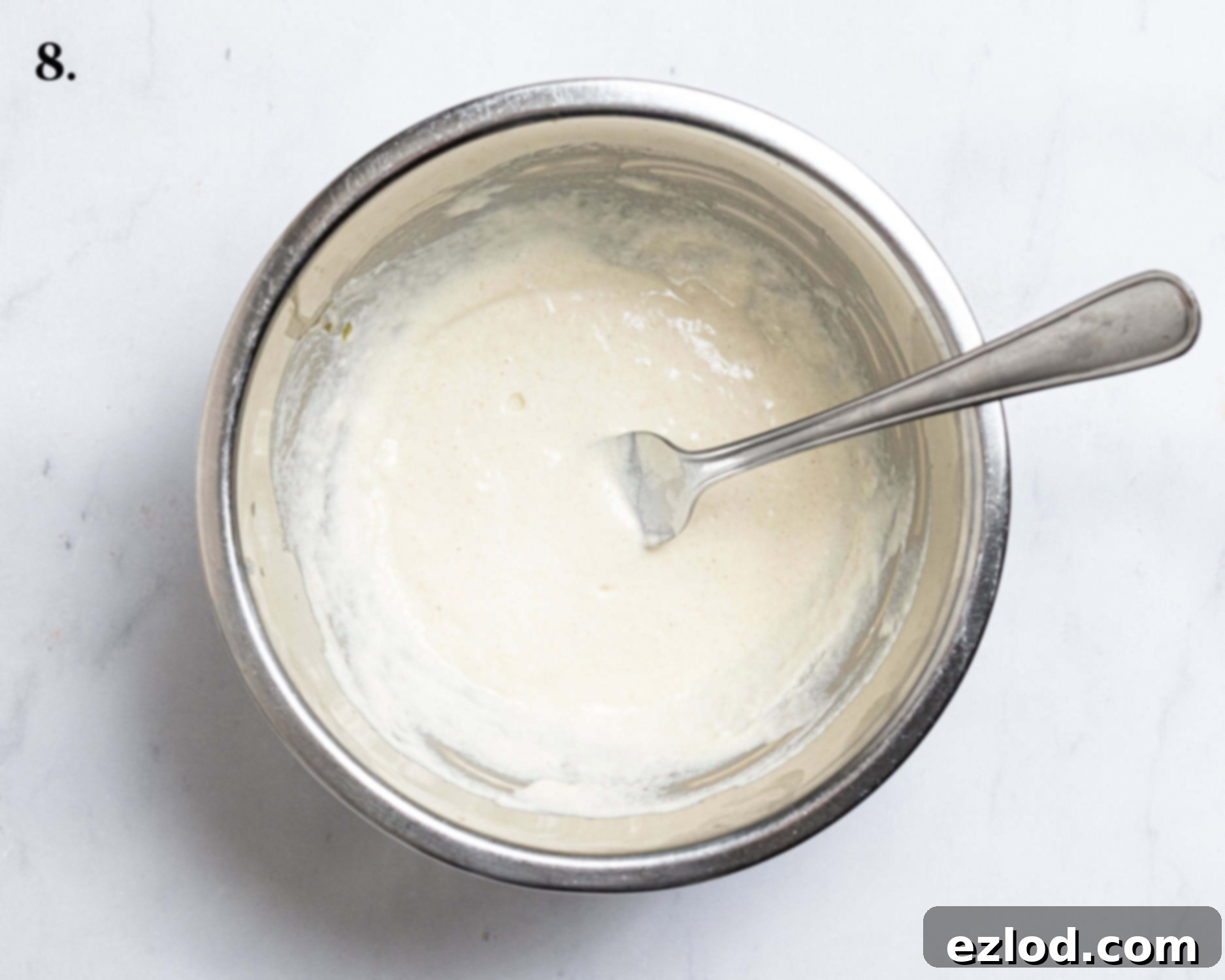
- Step 8: In a small bowl, mix together the plain flour, oil, and enough water to create a thick, smooth batter. This batter will be used to create the signature crosses on top of the scones.
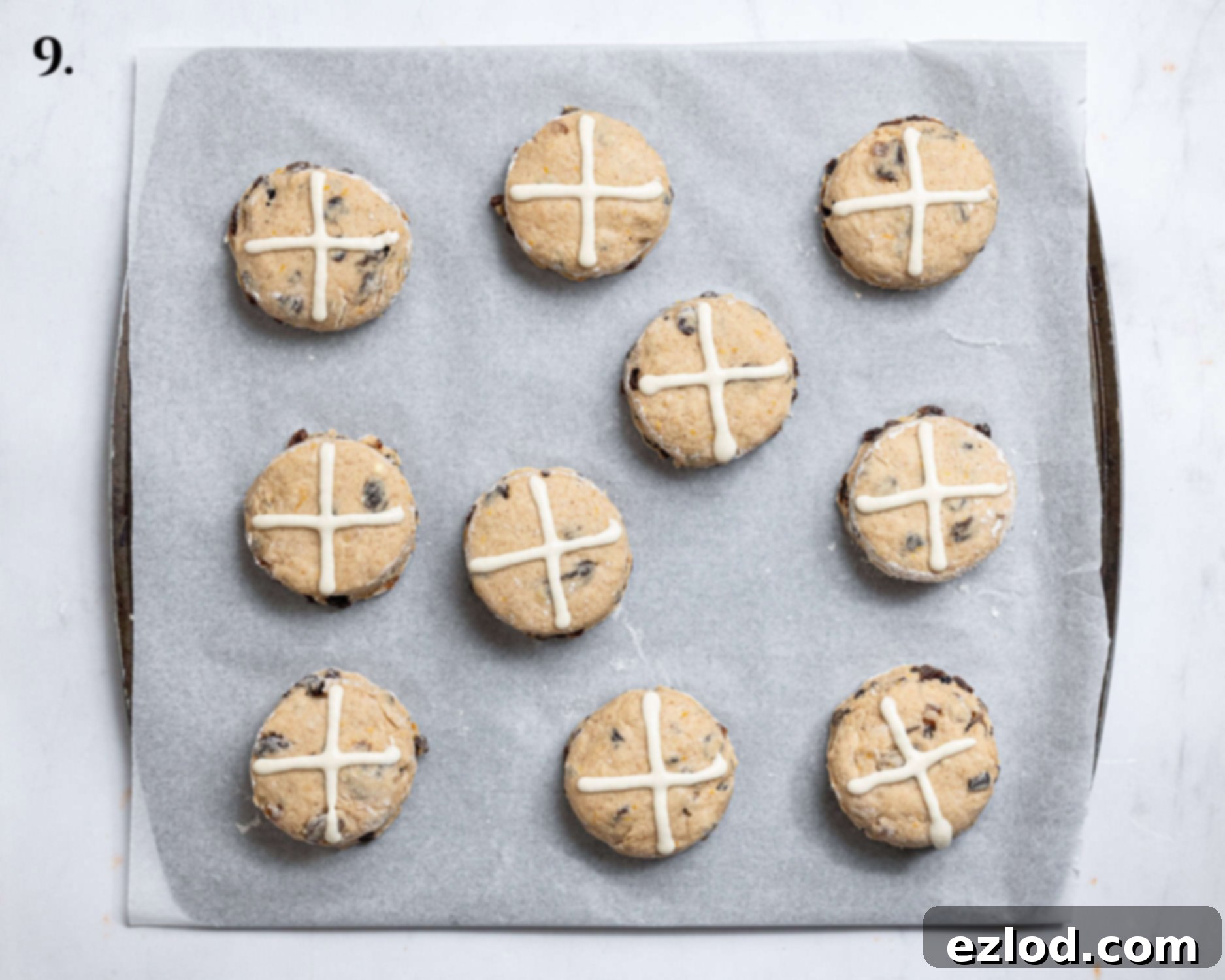
- Step 9: Transfer the cross batter to a piping bag or a small plastic bag with a corner snipped off. Pipe crosses onto the top of each scone.
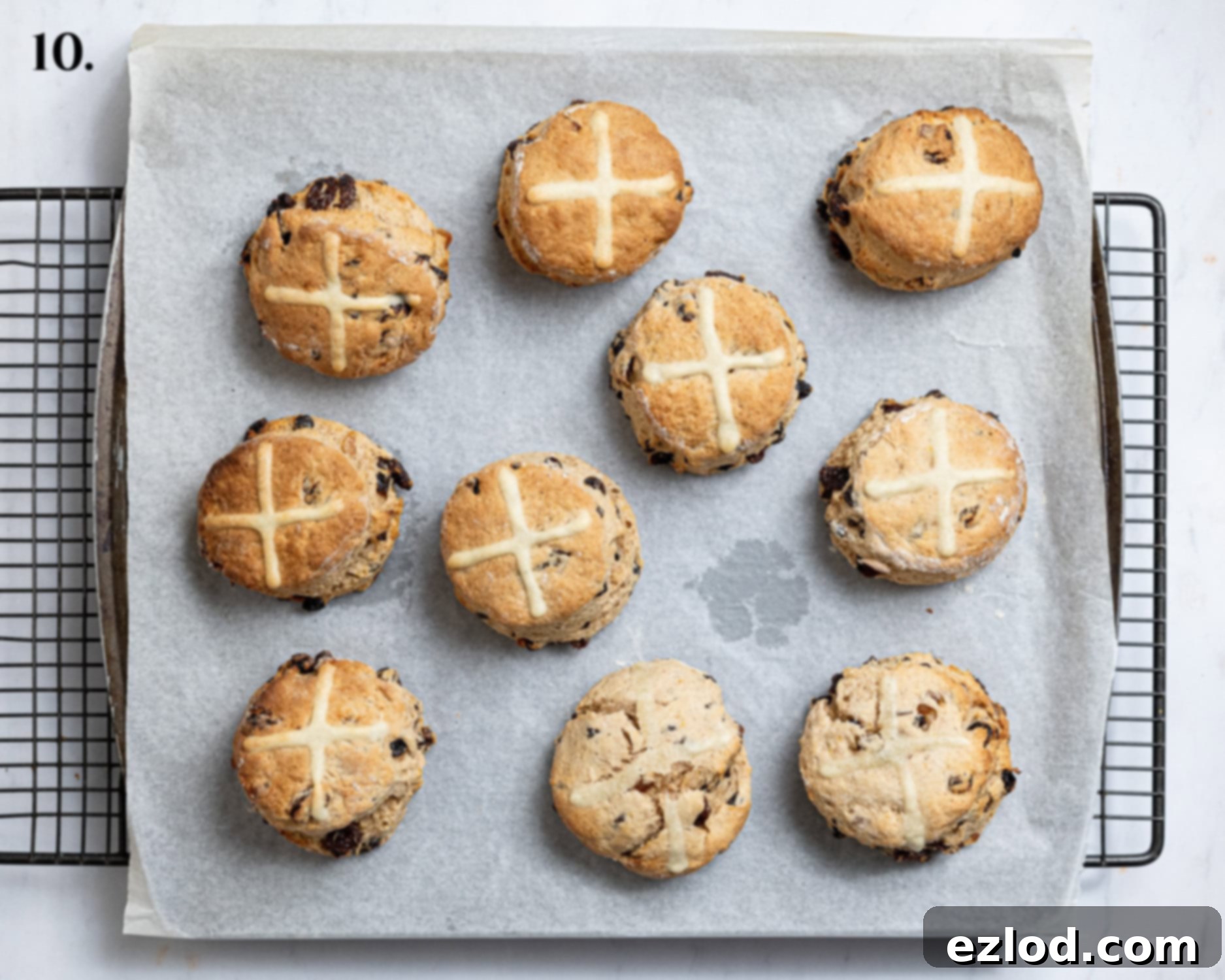
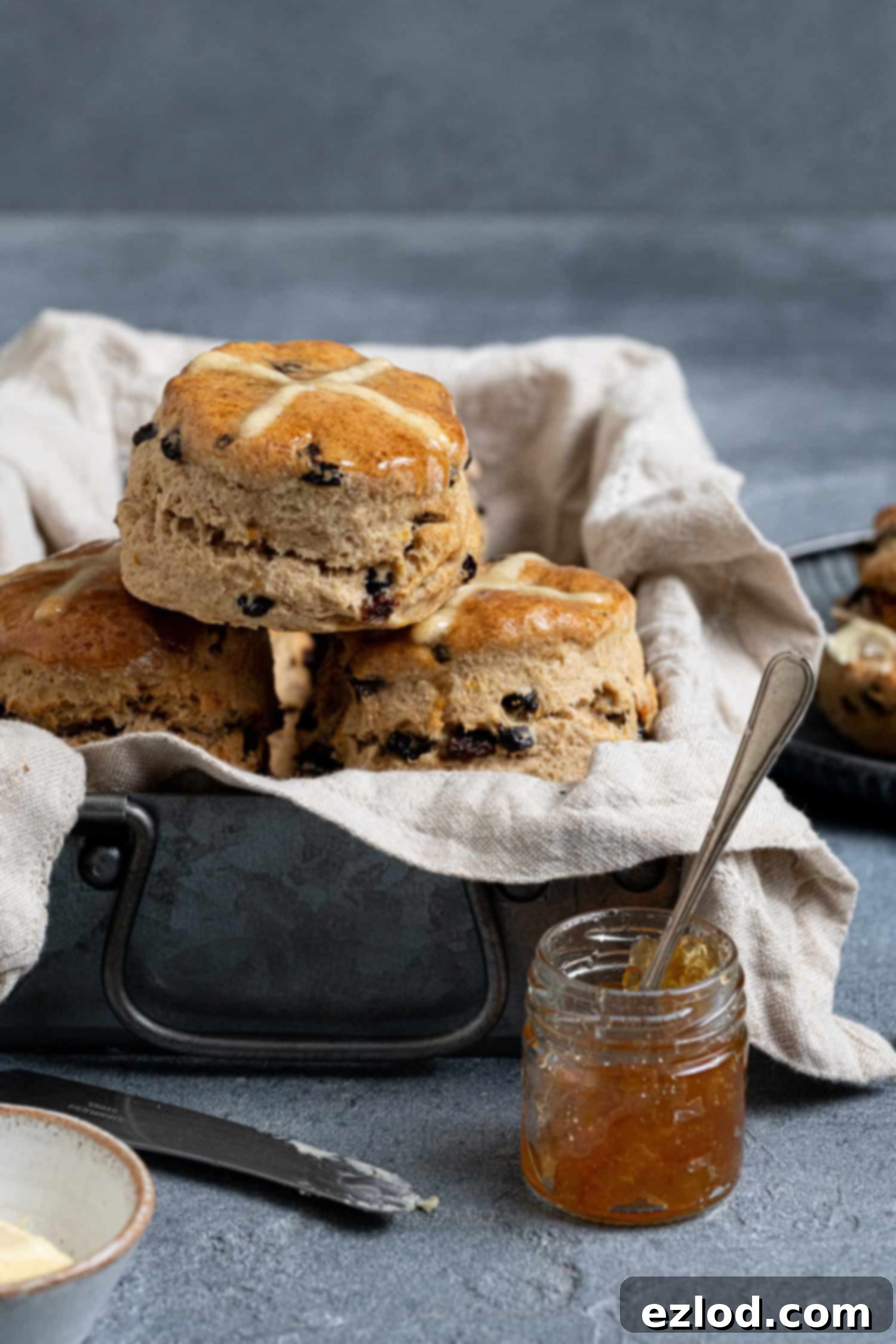
- Step 10: Bake in the preheated oven for 12-15 minutes, or until the scones are golden brown and well-risen. Once baked, brush the tops with golden syrup (or your chosen glaze) for a glossy finish.
Essential Tips for Perfect Vegan Hot Cross Scones
To elevate your vegan hot cross scones from good to exceptional, consider these expert tips and tricks:
- Use Scales for Accuracy: For consistent and reliable baking results, use a digital kitchen scale to measure ingredients in grams rather than using cup conversions. Cups can be highly inaccurate, leading to inconsistent outcomes.
- Proper Measuring Spoons: For accurate teaspoon and tablespoon measurements, use proper measuring spoons. A standard teaspoon is 5ml, and a tablespoon is 15ml.
- Soft and Sticky Dough: Aim for a soft, slightly sticky dough to achieve the lightest and most tender scones. Avoid overworking the dough, as this can lead to tough scones.
- Pat, Don’t Roll: Gently pat the dough out instead of rolling it to maintain its airy texture. Keep the dough quite thick, around 4cm (1 ½ inches) is ideal.
- Straight Down: When cutting out the scones, press the cutter straight down through the dough without twisting. Twisting the cutter can seal the edges and prevent the scones from rising properly.
- Wedge Alternative: If you don’t have cookie cutters, pat the dough out into a round and slice it into 8 wedges. Keep in mind that wedges may require a slightly longer baking time (around 18-20 minutes).
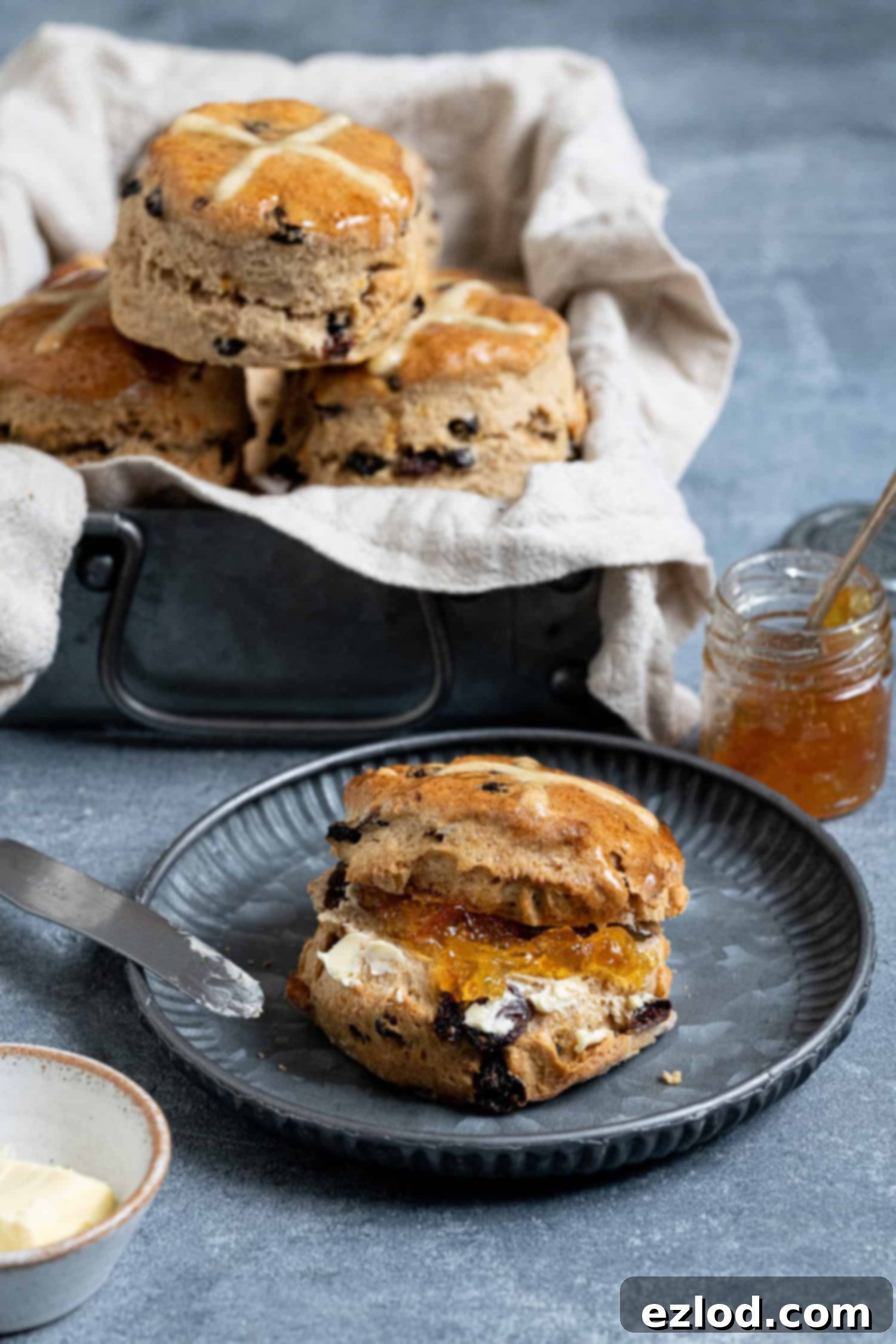
- Enjoy Fresh: Scones are best enjoyed as soon as possible, ideally slightly cooled and on the same day they are baked. If you have leftovers, split, toast, and butter them for a delicious treat the next day.
- Adjust Sweetness: If you prefer a less sweet scone, reduce the sugar to 40g.
Frequently Asked Questions (FAQs)
Yes, these scones freeze exceptionally well. For optimal freshness, freeze them on the day they are baked. Allow the scones to cool completely, then store them in a ziplock bag or freezer-safe container for up to three months. To serve, defrost at room temperature or briefly microwave if you are in a hurry. Refresh them in a low oven for 5-10 minutes before serving.
Absolutely! The crosses are purely decorative. Alternatively, you can create a simple glaze by mixing icing sugar with enough water to achieve a thick but spoonable consistency. Pipe this glaze in a cross pattern onto the scones after they have been baked and cooled.

Explore More Vegan Scone Recipes:
- Vegan Treacle Scones
- Vegan Pumpkin Scones
- Vegan Marzipan Cherry Scones
- Vegan Scones
- Vegan Banana Scones
If you enjoyed this recipe, please leave a 5-star ★★★★★ rating at the bottom of the page! This feedback helps both me and other readers.
Be sure to add us as a trusted site on Google so our recipes show up more in your searches!
To stay updated with my latest recipes, subscribe to my newsletter and follow me on social media!
Instagram
Facebook
Pinterest
Vegan Hot Cross Scones Recipe
A quick and easy alternative to hot cross buns for Easter, these vegan hot cross scones have all the flavours of a traditional hot cross bun but in scone form.
Course
Breakfast, Snack
Cuisine
British
Keyword
scones
Prep Time
25 minutes
Cook Time
15 minutes
Servings
10 scones
Author
Domestic Gothess
Ingredients
- 360 g (3 cups) self-raising flour
- 1 teaspoon baking powder
- 1 ½ teaspoons mixed spice
- 1 teaspoon cinnamon
- 100 g (7 Tablespoons) vegan block butter cold and diced
- finely grated zest of 1 large orange
- 70 g (⅓ cup) light brown soft sugar
- 200 g (1 ⅓ cups) mixed dried fruit
- 160 g (⅔ cup) unsweetened non-dairy milk (I use soy)
- 30 g (2 Tablespoons) orange juice
- 1 teaspoon vanilla extract
Crosses:
- 45 g (⅓ cup) plain (all-purpose) flour
- ½ Tablespoon oil
- 3 Tablespoons cold water
- 1 Tablespoon golden syrup/maple syrup/apricot jam/marmalade to glaze
Instructions
- Preheat the oven to 220°C/200°C fan/425°F/gas mark 7. Line a baking sheet with baking parchment.
- Stir together the self-raising flour, baking powder, mixed spice and cinnamon in a large bowl.
- Add the cold butter and the orange zest and rub it in using your fingertips until no lumps of butter remain.
- Stir in the sugar and mixed dried fruit.
- Mix together the milk, orange juice and vanilla extract in a jug. Pour the wet ingredients into the dry and stir to form a soft, sticky dough.
- Scrape the dough out onto a floured surface, sprinkle with more flour and pat it out with your hands into a rough rectangle. Fold it in half then pat out and fold twice more.
- Pat the dough out to about 4 cm/1 ½ in thick, use a floured 6 cm round cookie cutter to cut out as many scones as you can. Bring together the scraps and pat out again to cut out more scones. Place them spaced apart on the baking sheet.
- For the crosses, mix together the plain flour, oil and enough water to make a thick but pipeable batter. Spoon it into a disposable piping bag and snip off the tip. Pipe crosses on top of each scone.
- Bake the scones for 12-15 minutes until well risen, browned and firm to the touch. They should sound hollow when tapped on the bottom.
- Gently warm the syrup, jam or marmalade until runny then use a pastry brush to brush it on top of the warm scones. Transfer them to a wire cooling rack to cool slightly before serving. Best eaten on the day they are baked.
Notes
- See post above for tips, details and step-by-step photos.
- All of my recipes are developed using grams, and as with all of my baking recipes I really do recommend using the metric measurements with a digital scale rather than the cup conversions. Cups are a wildly inaccurate measuring system and you will get far better, more consistent results using a scale, not to mention that it is also easier and less messy than cups!