Vegan Blood Orange Olive Oil Cake: A Moist & Zesty Delight
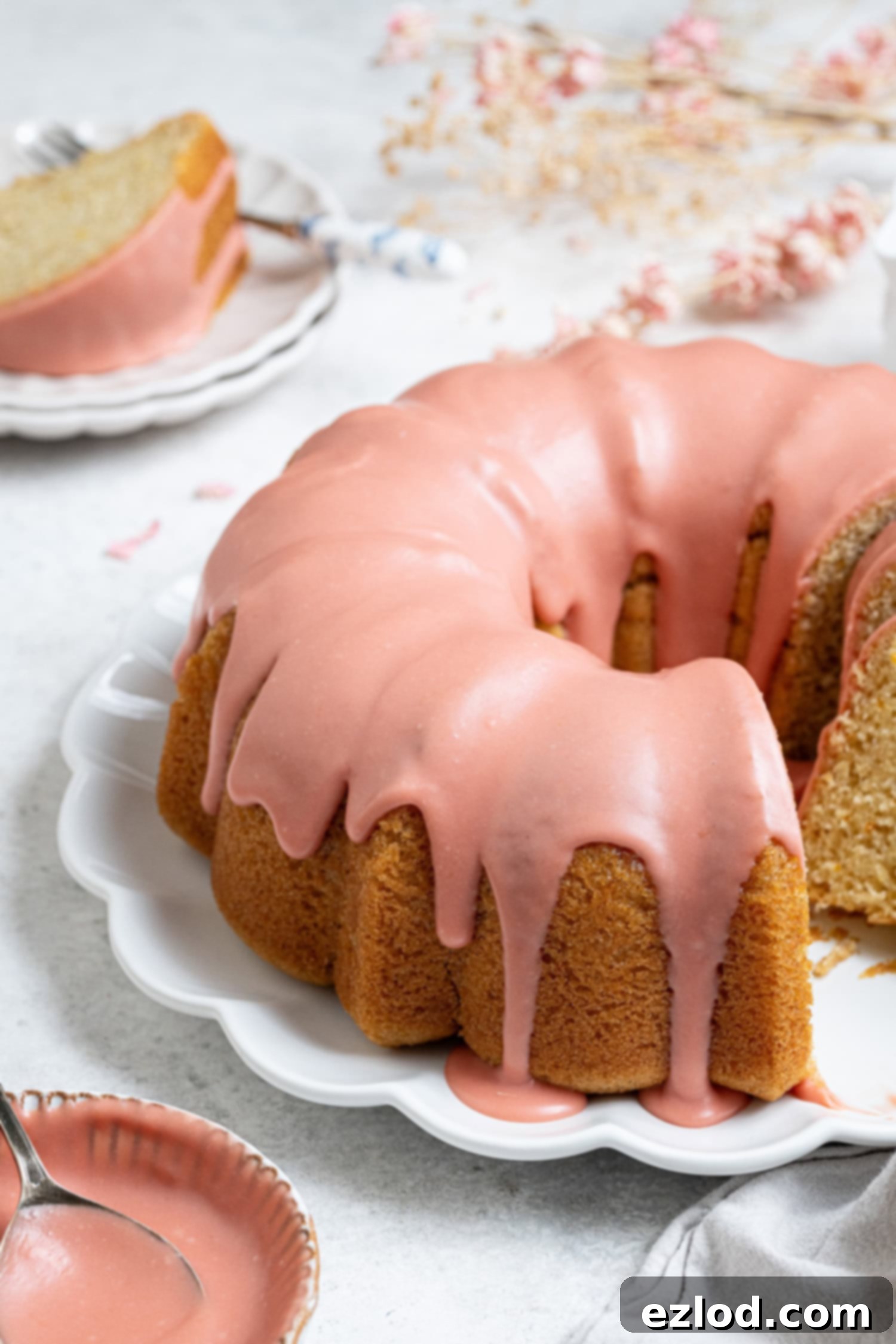
Embrace the vibrant flavors of citrus season with this exquisite vegan blood orange olive oil bundt cake! This cake offers a soft, tender crumb, infused with the invigorating essence of fresh blood orange juice and the richness of extra virgin olive oil. Its simple recipe utilizes basic ingredients, resulting in a truly irresistible treat – an ideal centerpiece for your next winter brunch or special occasion.
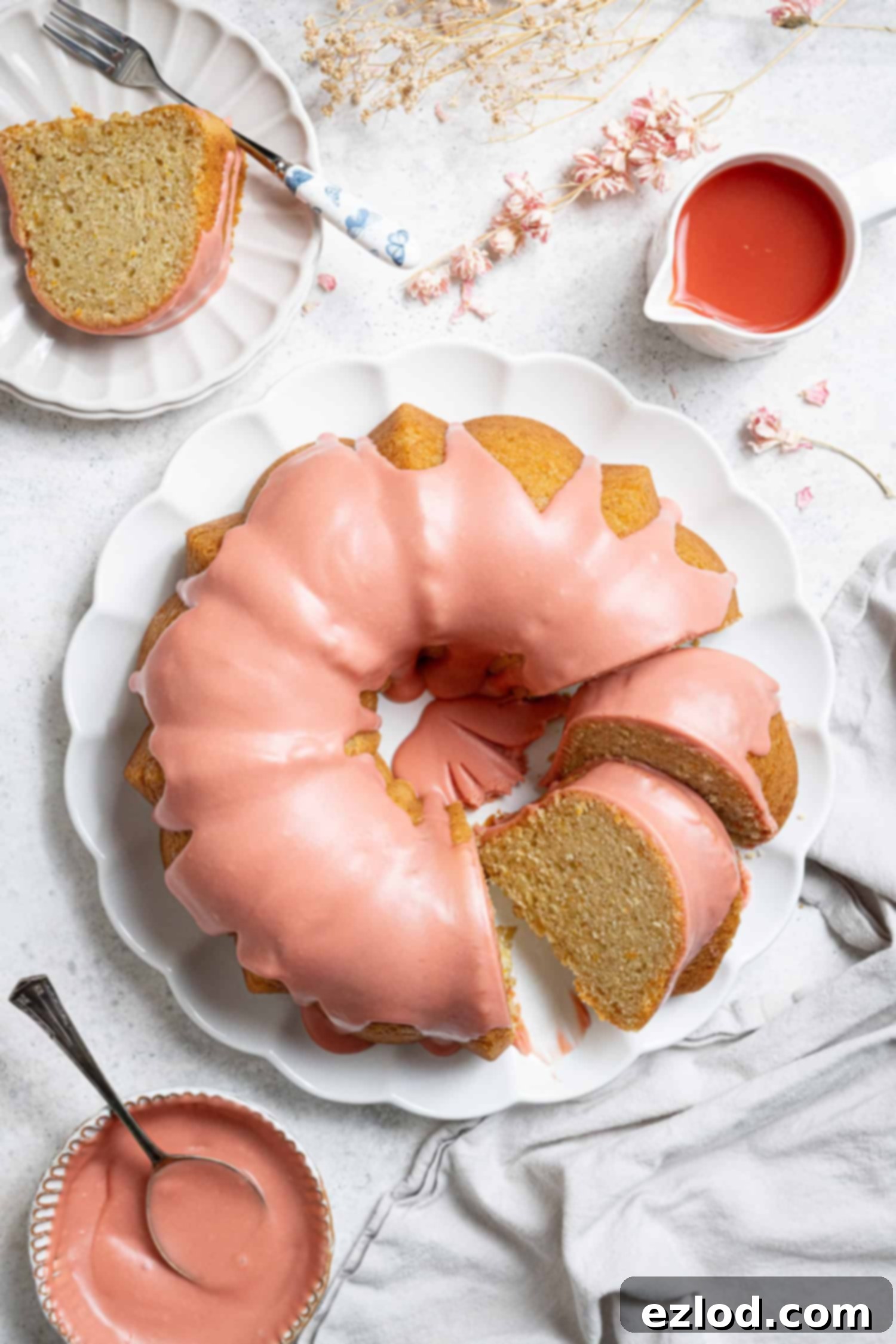
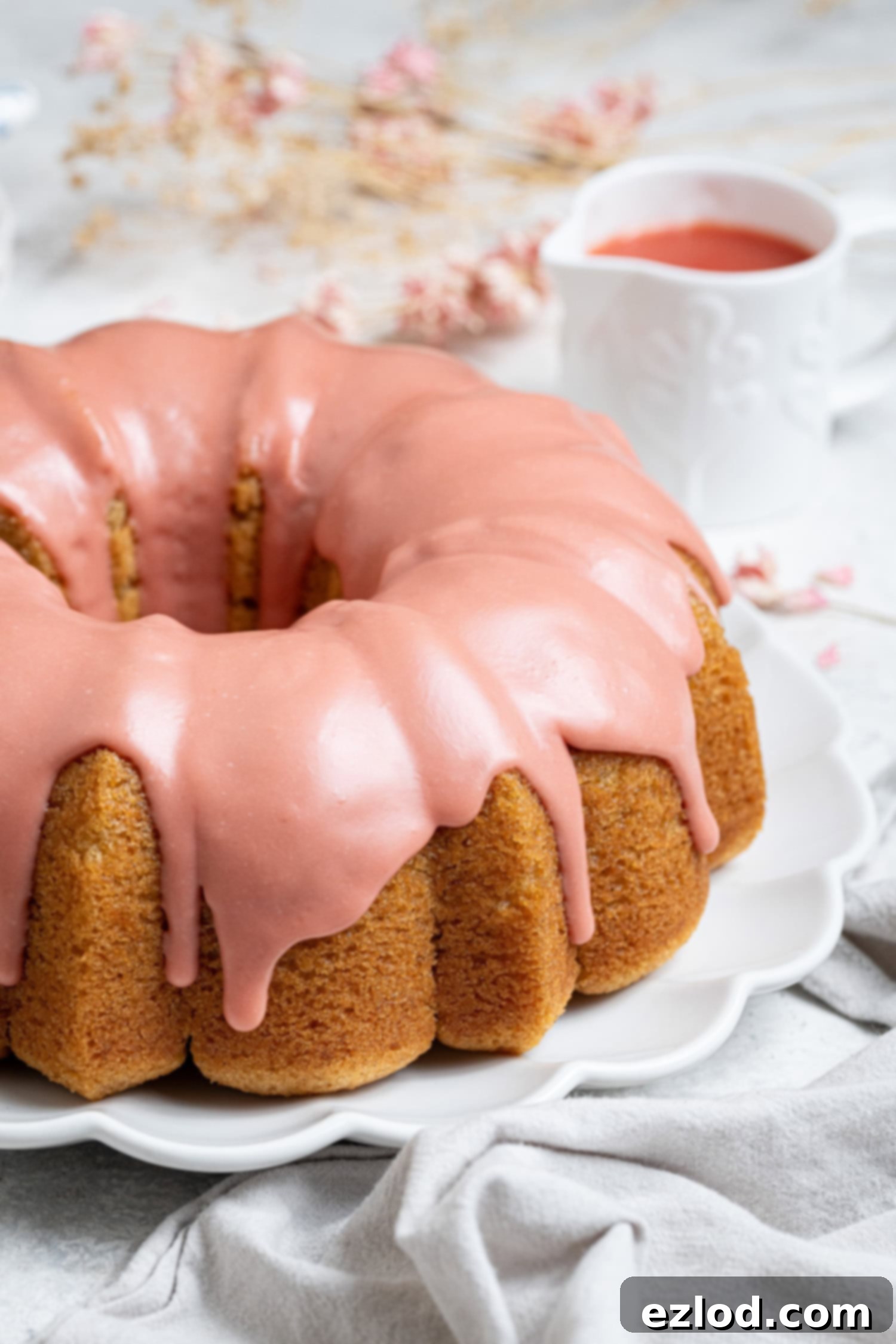
This vegan bundt cake is a delightful choice for Easter celebrations, Valentine’s Day festivities, or a heartwarming Mother’s Day treat. Experience the soft, fluffy, and incredibly moist texture, bursting with the refreshing taste of fresh oranges. The cake is topped with a beautiful pink white chocolate blood orange glaze, drawing inspiration from Edd Kimber’s recipe.
While this recipe shines during blood orange season, which typically spans from December to March/April, it can also be effortlessly adapted for year-round enjoyment by substituting regular oranges. So, regardless of the season, you can indulge in the delightful flavors of this unique cake.
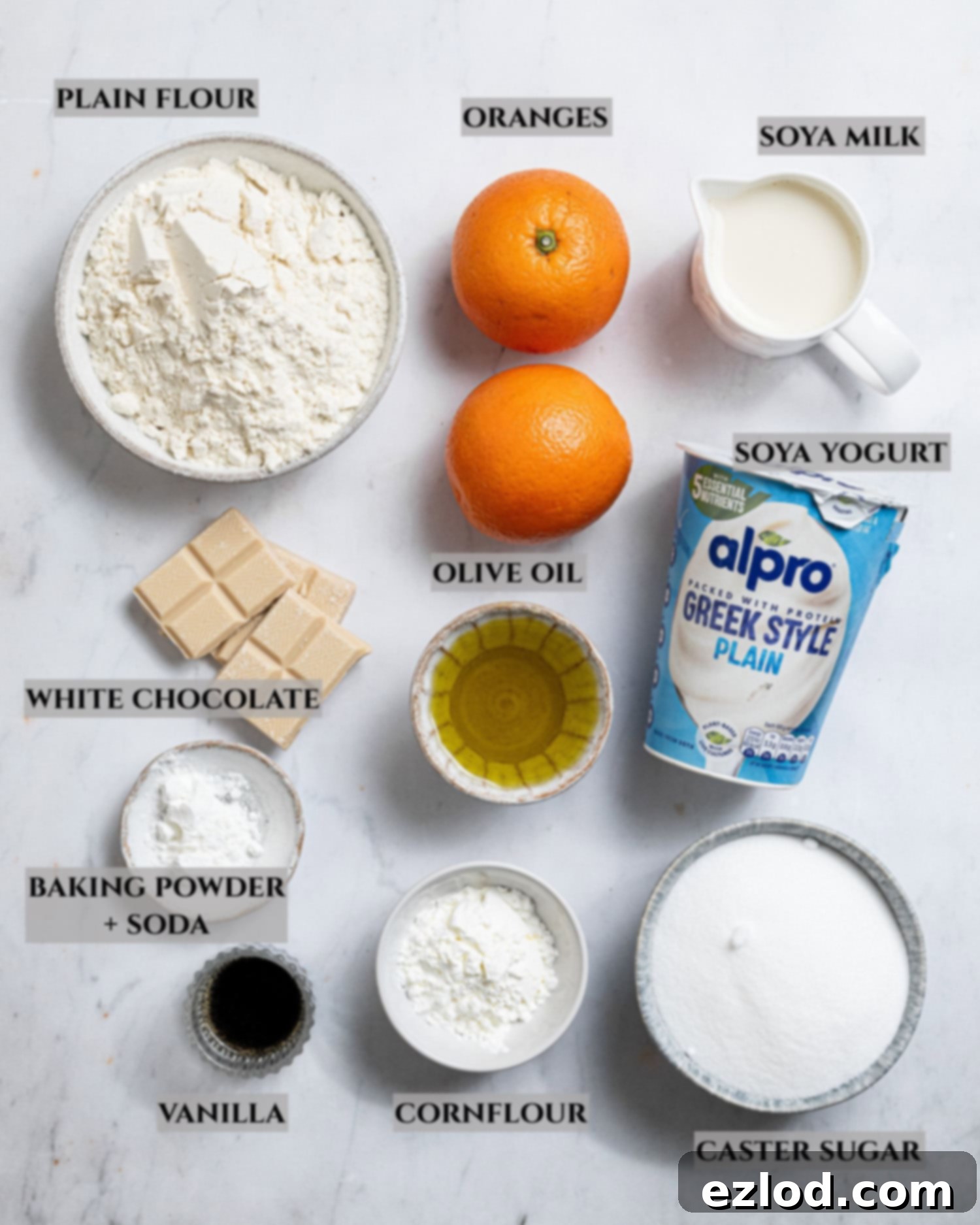
Understanding the Key Ingredients for Your Blood Orange Cake
Let’s delve deeper into the specific ingredients that make this blood orange olive oil cake so special:
Blood Oranges: Both the zest and juice of blood oranges are essential for the cake’s signature flavor and vibrant color. Whenever possible, opt for organic blood oranges. If organic options aren’t available, ensure you thoroughly wash the oranges before zesting. Remember, you can always substitute regular oranges if blood oranges are unavailable.
Olive Oil: Extra virgin olive oil is recommended, although its flavor remains subtle in the final product. If you prefer a more neutral flavor, you can easily substitute it with regular olive oil or another neutral-flavored oil, such as vegetable or canola oil.
Vegan Yogurt: Greek-style soy yogurt works perfectly, providing moisture and a slight tang. Alternatively, any plain, unsweetened vegan yogurt will also yield excellent results.
Plant-Based Milk: Any unsweetened non-dairy milk variety will work flawlessly in this recipe, excluding canned coconut milk, which is too rich. Soy milk stands out as an excellent choice for baking due to its higher protein content, closely mimicking the properties of dairy milk.
Flour Power: Plain Flour and Cornflour: The blend of regular plain (all-purpose) flour with a touch of cornflour (cornstarch) creates a wonderfully tender crumb. If you don’t have cornflour on hand, you can replace it with an equal weight of plain flour. However, for the best texture, we recommend using cornflour.
Baking Powder and Soda: These two ingredients are crucial leavening agents, and they cannot be interchanged. They work together to create a light and airy cake texture.
Sweetness Defined: Sugar Selection: Caster or granulated sugar are both suitable options for this cake. We do not advise substituting them with other types of sugar or sweeteners, as they may alter the cake’s texture and flavor profile.
Glaze Perfection: Vegan White Chocolate: For the luscious ganache glaze, vegan white chocolate is a must. Look for a high-quality vegan white chocolate that melts easily and bakes well.
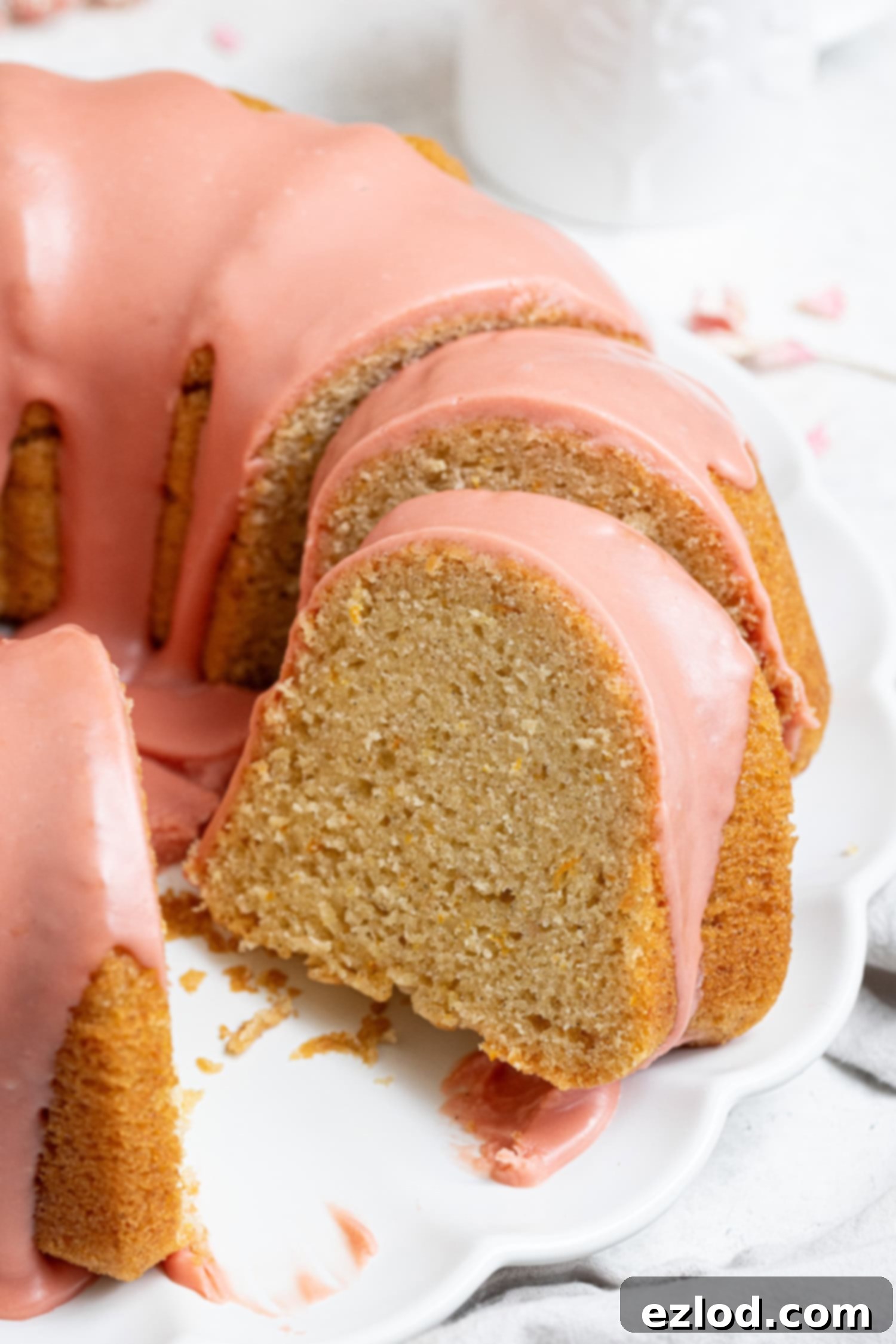
Mastering the Art of Blood Orange Olive Oil Cake: A Step-by-Step Guide
(Complete measurements and comprehensive instructions are conveniently located in the recipe card at the bottom of this page.)
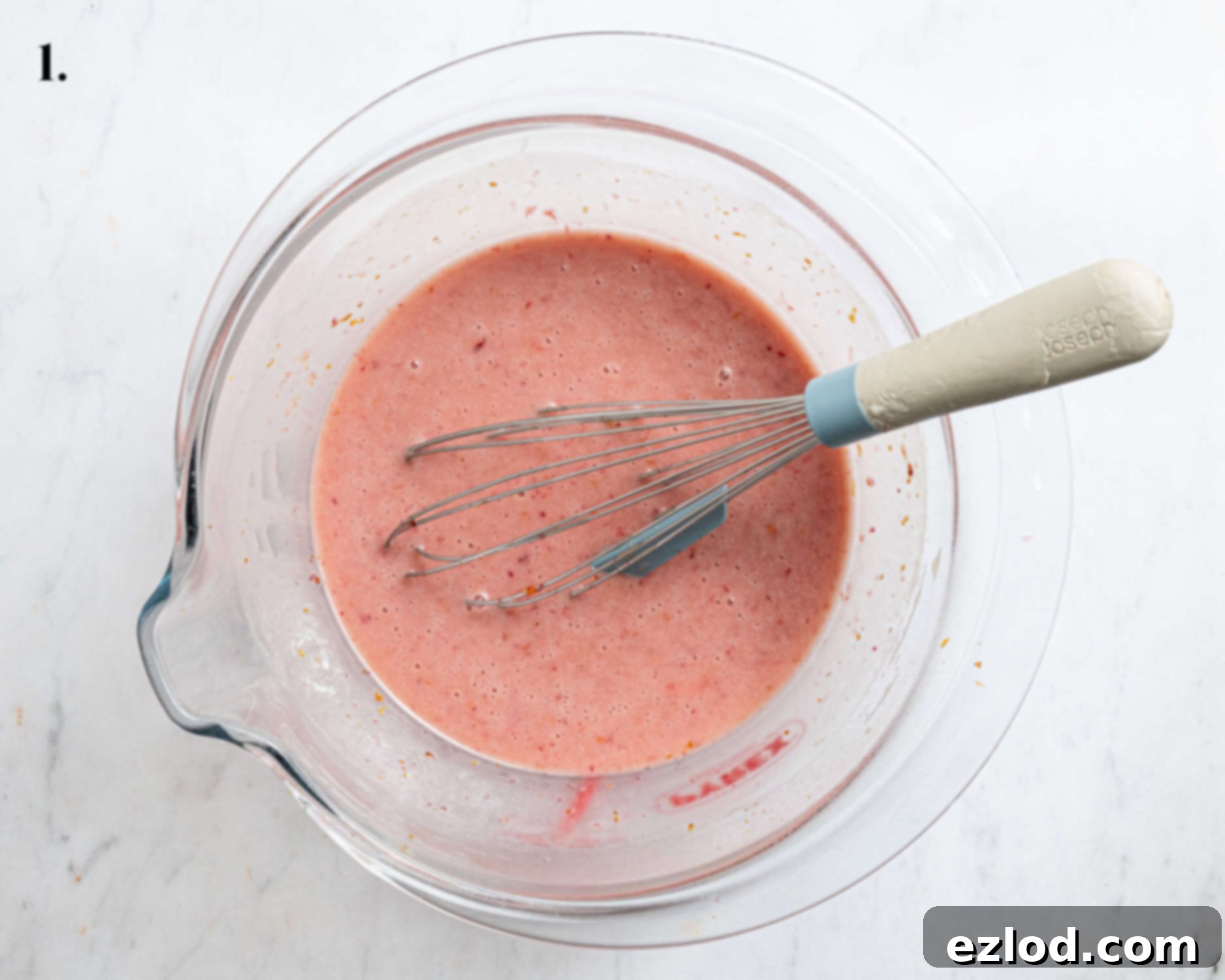
- Step 1: In a large mixing bowl, whisk together the sugar, olive oil, vegan yogurt, plant-based milk, grated blood orange zest, fresh blood orange juice, and vanilla extract until thoroughly combined and smooth. This creates the foundation of your cake’s flavor profile.
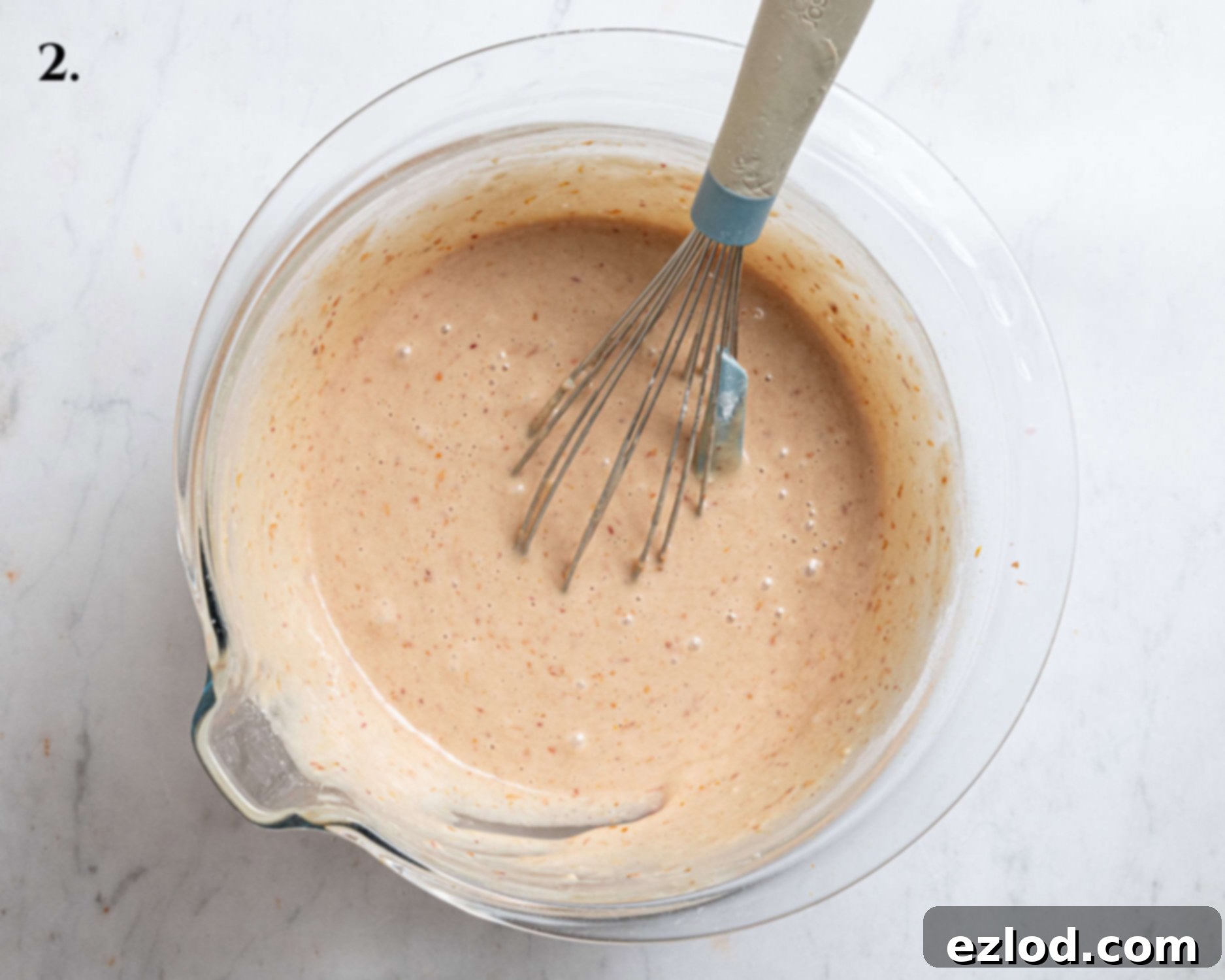
- Step 2: Gradually whisk in the cornflour, baking powder, baking soda, and salt, ensuring all dry ingredients are evenly distributed. This step is crucial for achieving the desired cake texture. Follow with the plain flour and gently stir until just combined. Avoid overmixing, which can lead to a tough cake.
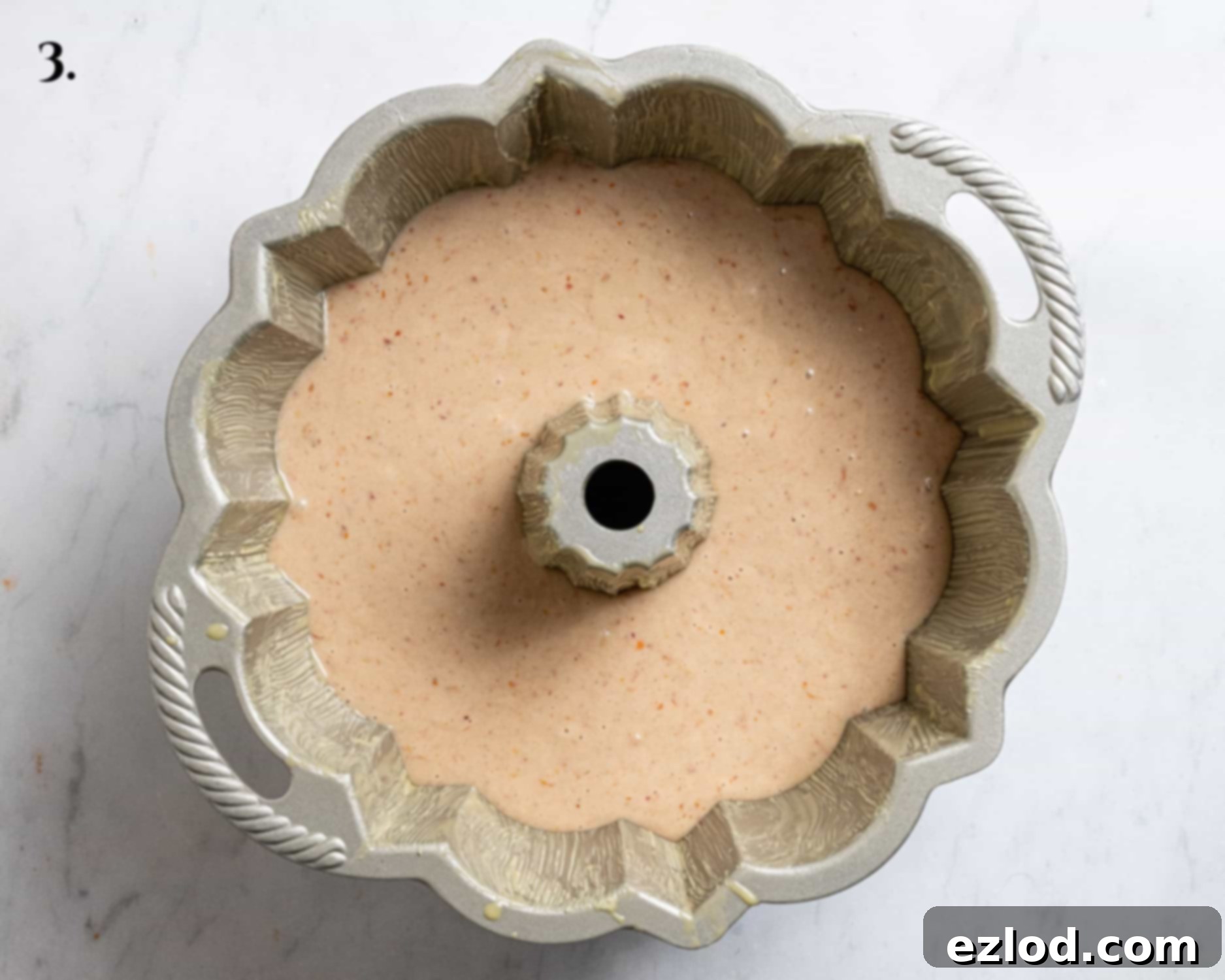
- Step 3: Carefully pour the prepared batter into a well-greased bundt tin. Ensure the batter is evenly distributed within the tin.
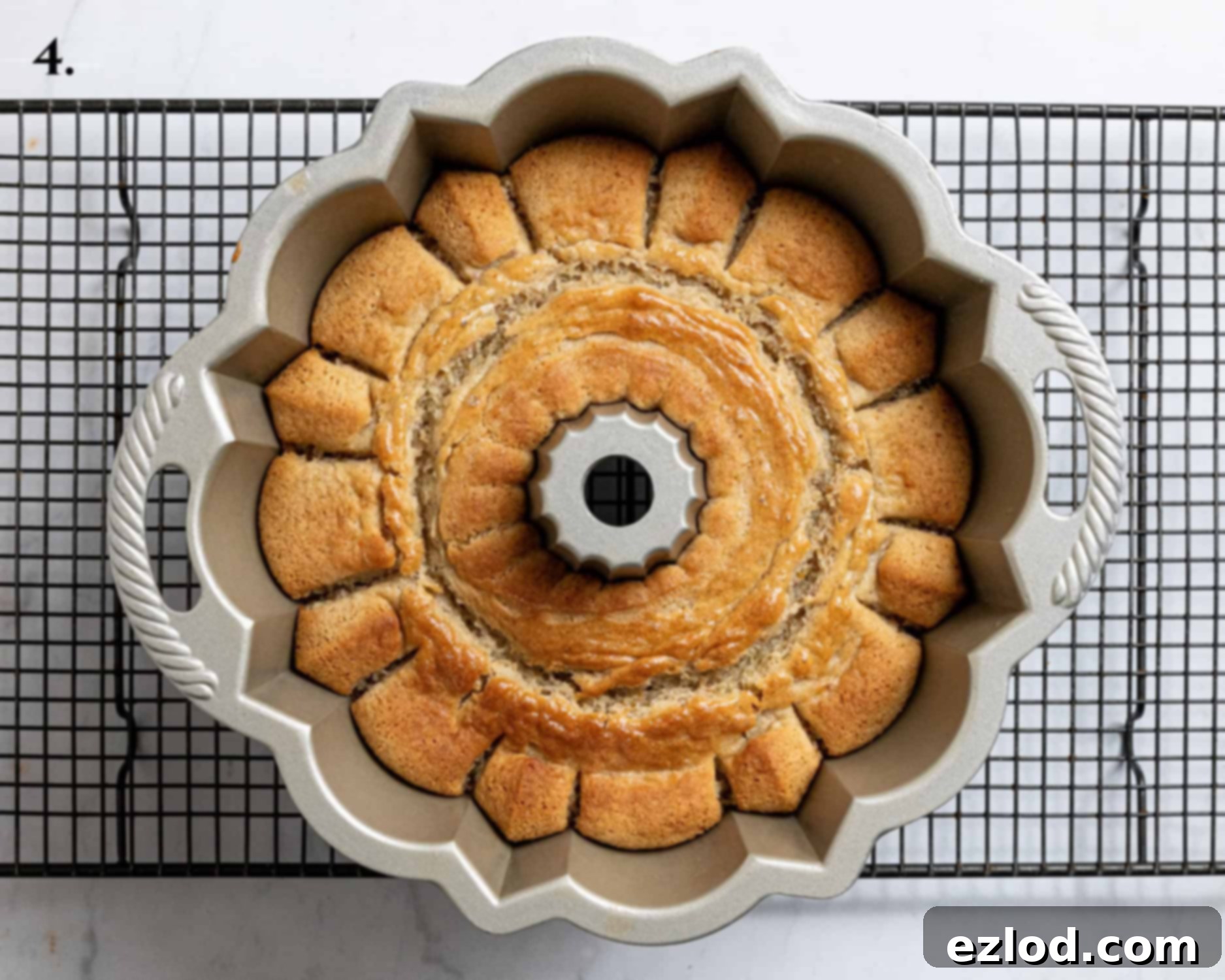
- Step 4: Bake in a preheated oven for approximately 40-45 minutes, or until a wooden skewer inserted into the center of the cake comes out clean or with only a few moist crumbs clinging to it.
Essential Tips for Baking the Perfect Blood Orange Olive Oil Cake
Achieving cake perfection requires attention to detail. Here are some top tips to ensure your blood orange olive oil cake turns out flawlessly:
Precision is Key: Embrace the Scales: For all baking endeavors, especially this one, we strongly recommend utilizing metric measurements with a digital kitchen scale instead of relying on cup conversions. Cups can be incredibly inaccurate, leading to inconsistent results. Using a scale guarantees greater precision and consistency, and it’s often easier and less messy!
Spoonful Accuracy: Proper Measuring Spoons: When measuring teaspoons and tablespoons, always use proper measuring spoons specifically designed for baking, rather than ordinary cutlery. A standard teaspoon is defined as 5ml, while a tablespoon equals 15ml.
Gentle Mixing: Avoid Over-Beating: It’s vital to avoid over-beating the cake batter, as this can result in a dense and tough cake. Mix only until the dry ingredients are just incorporated and no visible lumps remain. We recommend using a balloon whisk and mixing by hand for optimal control.
Doneness Test: The Skewer Trick: The cake is ready when it feels firm to the touch and a skewer inserted into the center comes out clean or with only a few moist crumbs attached. Avoid pulling the cake out too early, as it might collapse.
Bundt Tin Quality: Invest Wisely: For best results, invest in a high-quality bundt tin, such as one from Nordic Ware. These tins are designed to release cakes easily, minimizing the risk of sticking.
Greasing Meticulously: Attention to Detail: Take your time and meticulously grease the bundt tin, ensuring you reach every nook and cranny. To make the process easier, try placing the tin in the refrigerator for approximately 15 minutes before brushing it with melted vegan butter. The chilled tin will help the butter solidify and adhere to the surface, preventing it from simply running off.
Glaze Vibrancy: Enhancing the Color: To achieve a particularly vibrant and appealing color in the glaze, you may need to add a single drop of pink or red food coloring. Start with a tiny amount and gradually add more until you reach your desired shade.
Frequently Asked Questions: Your Blood Orange Cake Queries Answered
Yes, absolutely! The cake will still turn out delicious using regular oranges instead of blood oranges. The flavor profile will be slightly different, but it will still be a delightful citrus cake.
Certainly! You can use any neutral-flavored oil that remains liquid at room temperature, such as vegetable oil, sunflower oil, canola oil, or avocado oil. We advise against using coconut oil, as it can make the cake too dense.
If you lack a bundt tin, you can utilize a 23 x 33 cm (9 x 13 inch) rectangular cake tin OR two 20 cm (8 inch) round cake tins. Keep in mind that the baking time will be shorter, approximately 25-30 minutes.
Yes, you can! If you don’t have or prefer not to use vegan white chocolate, you can whip up a simple icing sugar glaze. To make it, sift 125g of icing (powdered) sugar into a bowl and gradually stir in enough strained blood orange juice to achieve a thick yet spoonable consistency, typically about 2-3 tablespoons.
The cake will remain fresh in an airtight container at room temperature for 2-3 days. For extended storage, keep it in the refrigerator for up to 5 days.
Yes, you can freeze this cake successfully. However, if you plan to freeze it ahead of serving, we recommend omitting the glaze until the cake has fully defrosted, as freezing can alter the texture of the glaze.
Stay connected with us through social media! Follow us @ Instagram, Pinterest and Facebook. Don’t forget to subscribe via email to receive all of our latest and greatest recipes!
All images and content on Domestic Gothess are protected by copyright. If you wish to share this recipe, please do so responsibly by utilizing the provided share buttons. Avoid screenshotting or posting the recipe or content in its entirety. Instead, kindly include a link back to this specific post for the complete recipe.