Delicious Vegan Glazed Gingerbread Cookies Recipe for the Holidays
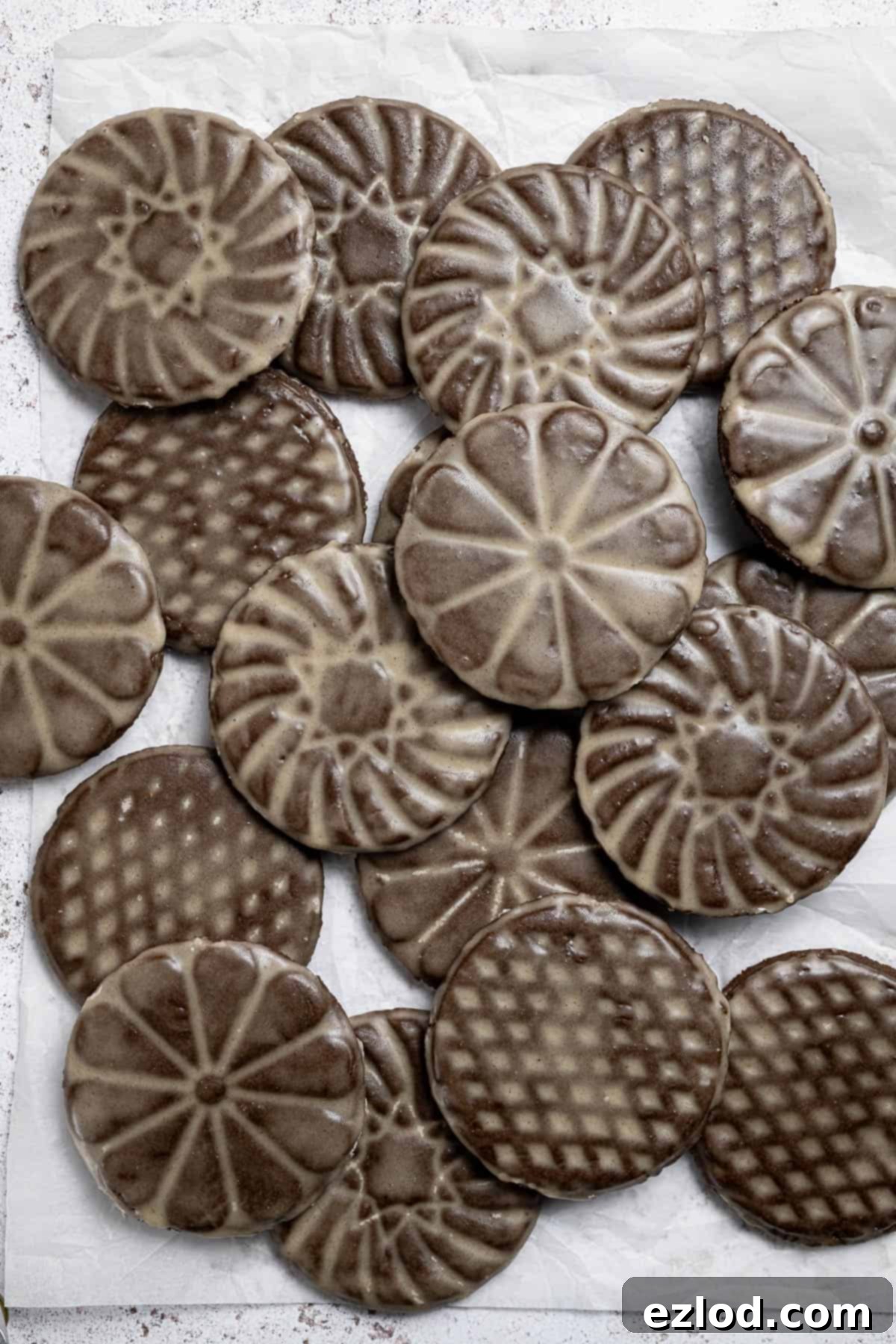
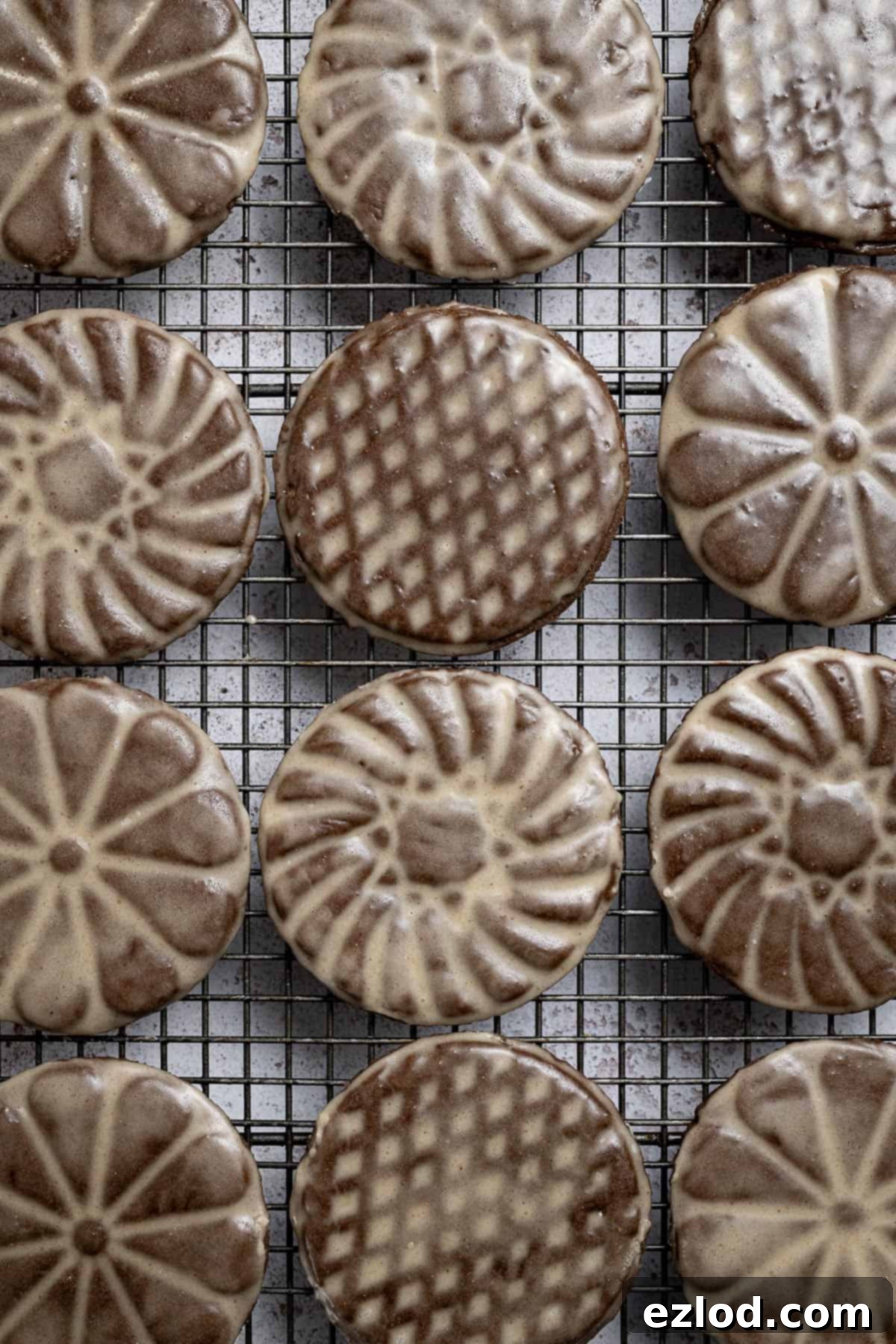
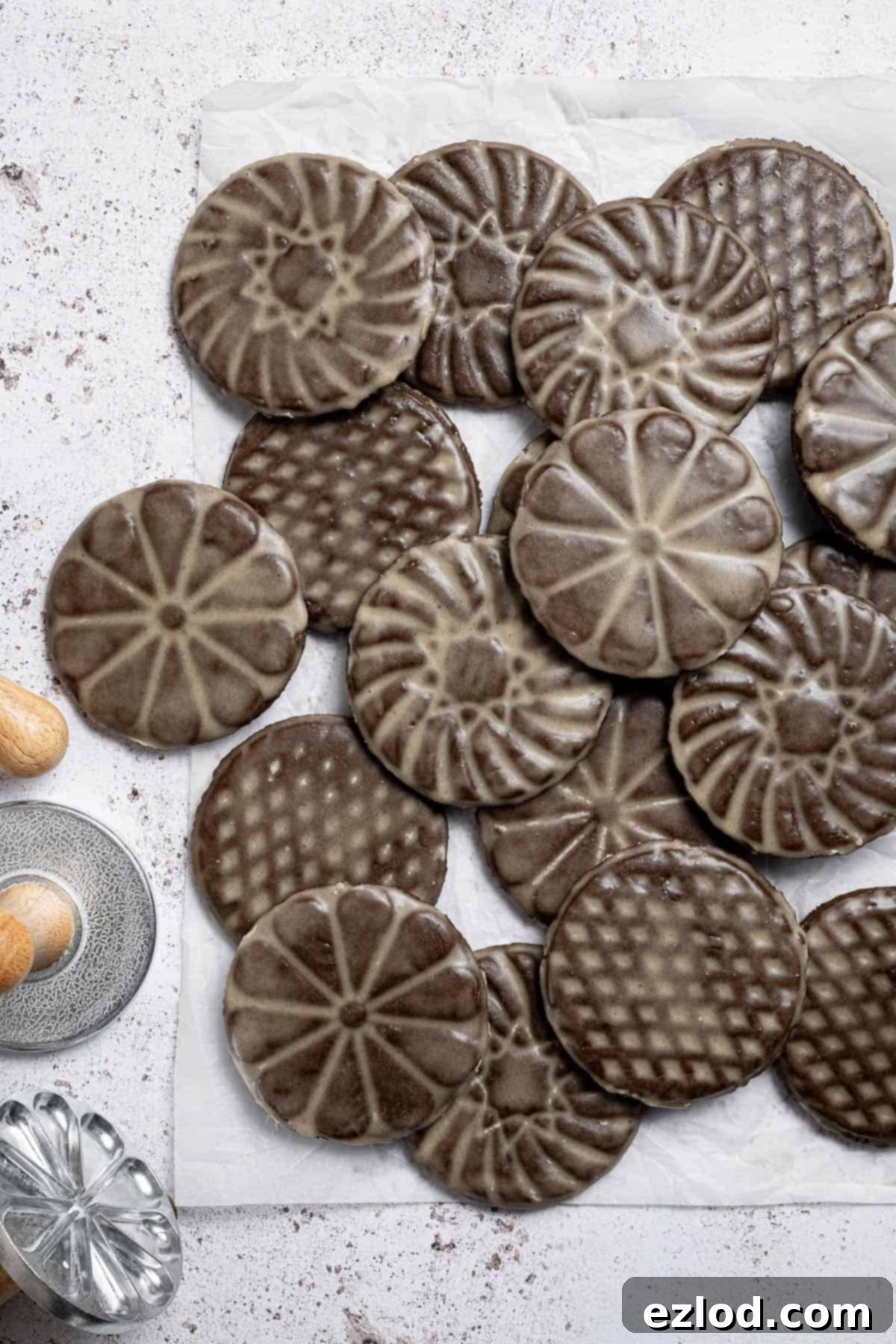
Indulge in these delightful vegan glazed gingerbread cookies! Crafted with a soft-baked chocolate gingerbread dough and adorned with a flavorful cinnamon rum glaze, these cookies are as visually appealing as they are delicious. The glaze not only enhances the flavor but also beautifully accentuates the intricate patterns created by cookie stamps.
These cookies are surprisingly easy to make, making them the perfect addition to your Christmas baking repertoire! They’re a fantastic way to spread holiday cheer and impress your loved ones with a homemade treat.
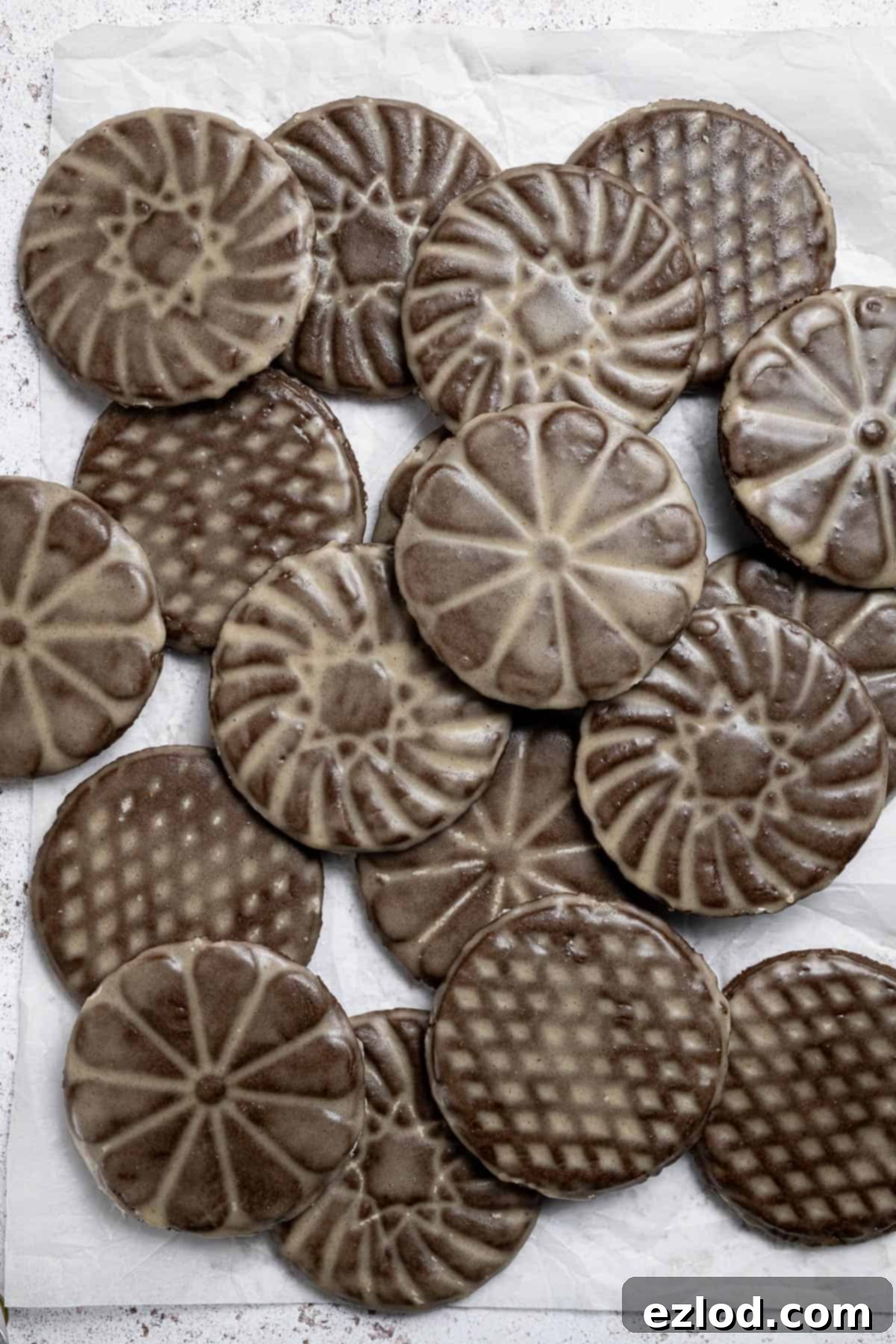
These vegan glazed gingerbread cookies rank among my all-time favorite cookie creations, and believe me, I’ve experimented with countless cookie recipes over the years!
What sets these cookies apart is their unique texture and complex flavor profile. Imagine a soft, chewy gingerbread cookie infused with a subtle hint of chocolate, perfectly complemented by a buttery cinnamon rum glaze. The combination of warming spices, rich treacle, decadent chocolate, and aromatic rum creates a truly unforgettable flavor sensation.
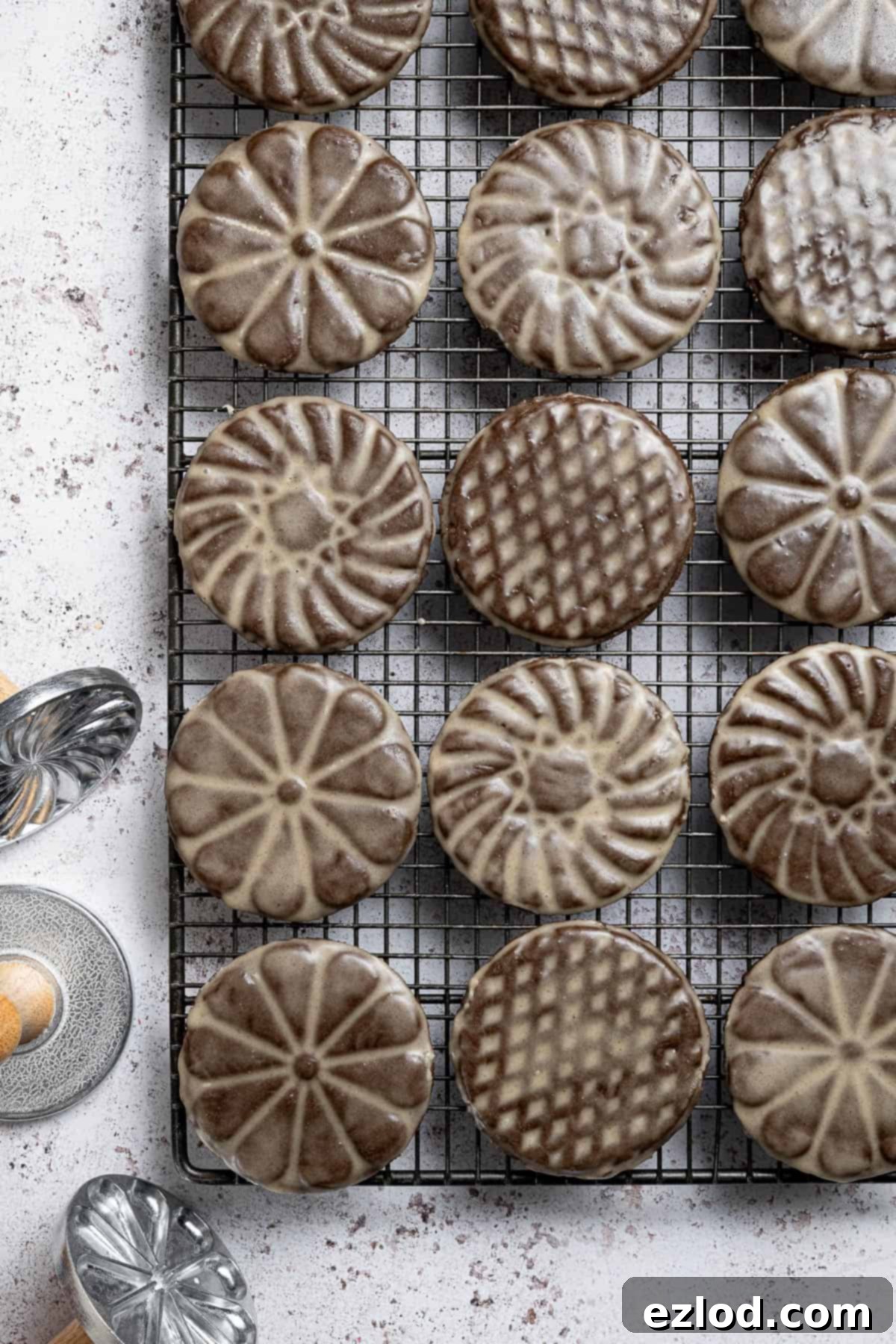
To add a touch of festive elegance, these cookies are stamped with beautiful patterns using cookie stamps. These stamps are an incredibly fun and simple way to transform a basic batch of cookies into a visually stunning masterpiece that embodies the spirit of the holidays.
This recipe is adapted from a gem found in Sweet by Yotam Ottolenghi and Helen Goh. The original recipe contained eggs, which required some adjustments to make it vegan. However, I’ve stayed true to the original flavorings, and this vegan version is just as exquisite as the original.
Key Ingredients for Vegan Gingerbread Perfection
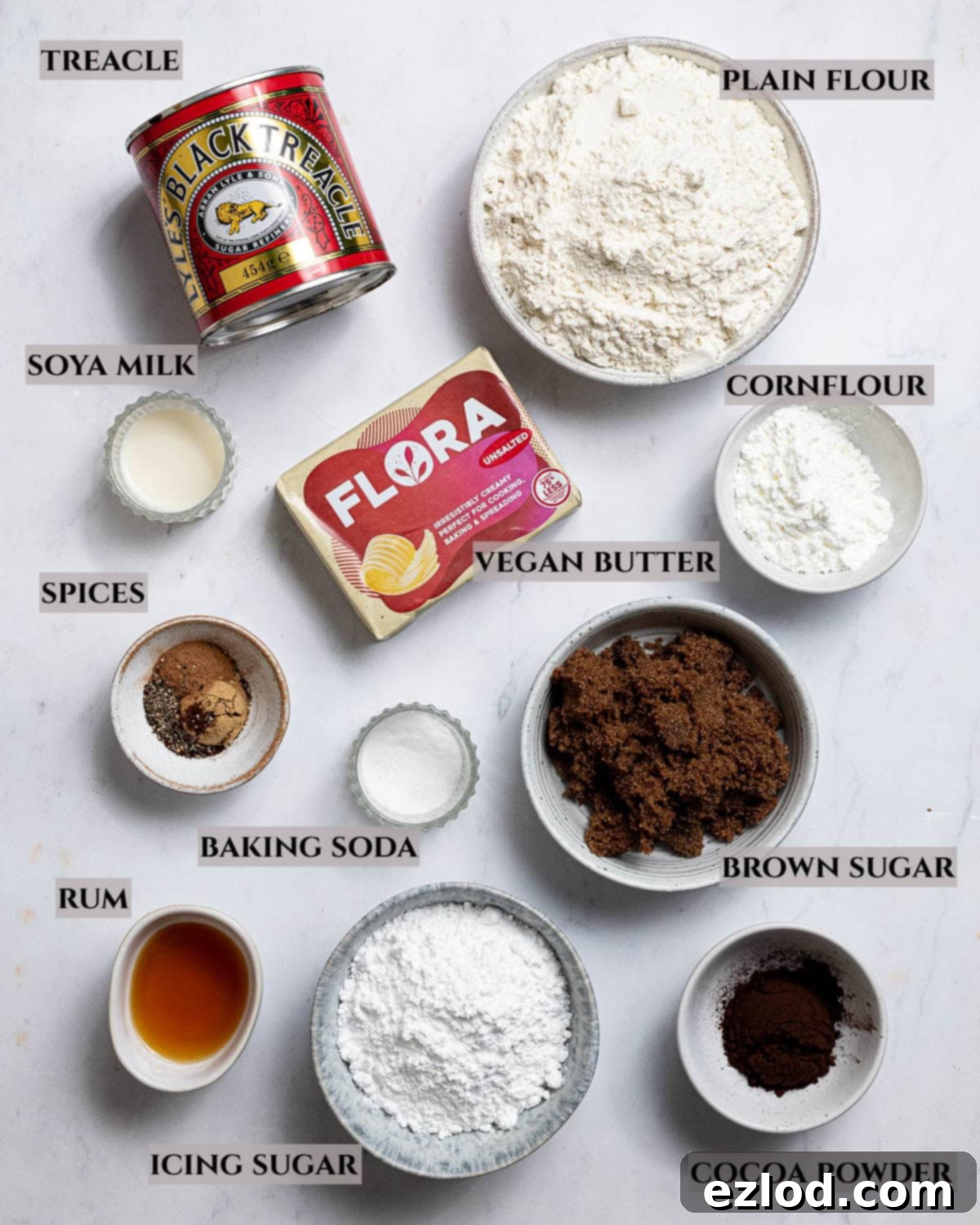
Let’s delve into the specific ingredients that make these vegan glazed gingerbread cookies so special:
Treacle: I recommend using black treacle for its deep, rich flavor. However, molasses can also be used as a suitable substitute.
Spices: The quintessential gingerbread flavor comes from a blend of ground ginger, cinnamon, cloves, and black pepper. Feel free to omit the black pepper if you prefer a milder spice profile. A touch of cardamom can also be a delightful addition.
Vegan Butter: This is crucial! Please, for the love of all that is holy in baking, use a block of vegan butter or margarine. Do not use the spreadable kind that comes in a tub!
The spreadable varieties contain a higher water content, which can result in a dough that’s too soft and cookies that are overly cakey.
Non-Dairy Milk: Non-dairy milk serves as a replacement for the moisture that eggs would typically provide. While you can use any non-dairy milk you prefer (except coconut milk), I highly recommend using soy milk if possible. Soy milk boasts the highest protein content, making it the closest substitute for eggs in baking.
Plain Flour: Standard plain (all-purpose) flour works best for this recipe. I have not yet experimented with a gluten-free version.
Cornflour (Cornstarch): Cornflour helps prevent the cookies from spreading excessively, ensuring that they retain their beautiful stamped patterns during baking.
Cocoa Powder: For the best results, use Dutch-processed cocoa powder rather than natural cocoa or cacao powder. I personally used black cocoa powder. It won’t make the cookies taste overtly chocolatey, but it will enhance the gingerbread flavor and give the cookies a darker color that beautifully contrasts with the glaze.
Sugar: You’ll need dark brown soft or muscovado sugar for the cookie dough and icing (powdered) sugar for the glaze. I advise against substituting these sugars with other types of sugars or sweeteners, as they play a crucial role in the flavor and texture of the cookies.
Bicarbonate of Soda (Baking Soda): Just a touch of bicarbonate of soda will give the cookies a bit of lift and a delightful chewy texture.
Dark Rum: The flavor of dark rum complements the gingerbread incredibly well. However, if you prefer to avoid alcohol, you can substitute it with lemon juice.
Step-by-Step Guide to Baking Your Own Vegan Glazed Gingerbread Cookies
Ready to embark on your gingerbread cookie adventure? Follow these simple steps:
(Detailed measurements and complete instructions are conveniently located on the recipe card at the bottom of this page.)
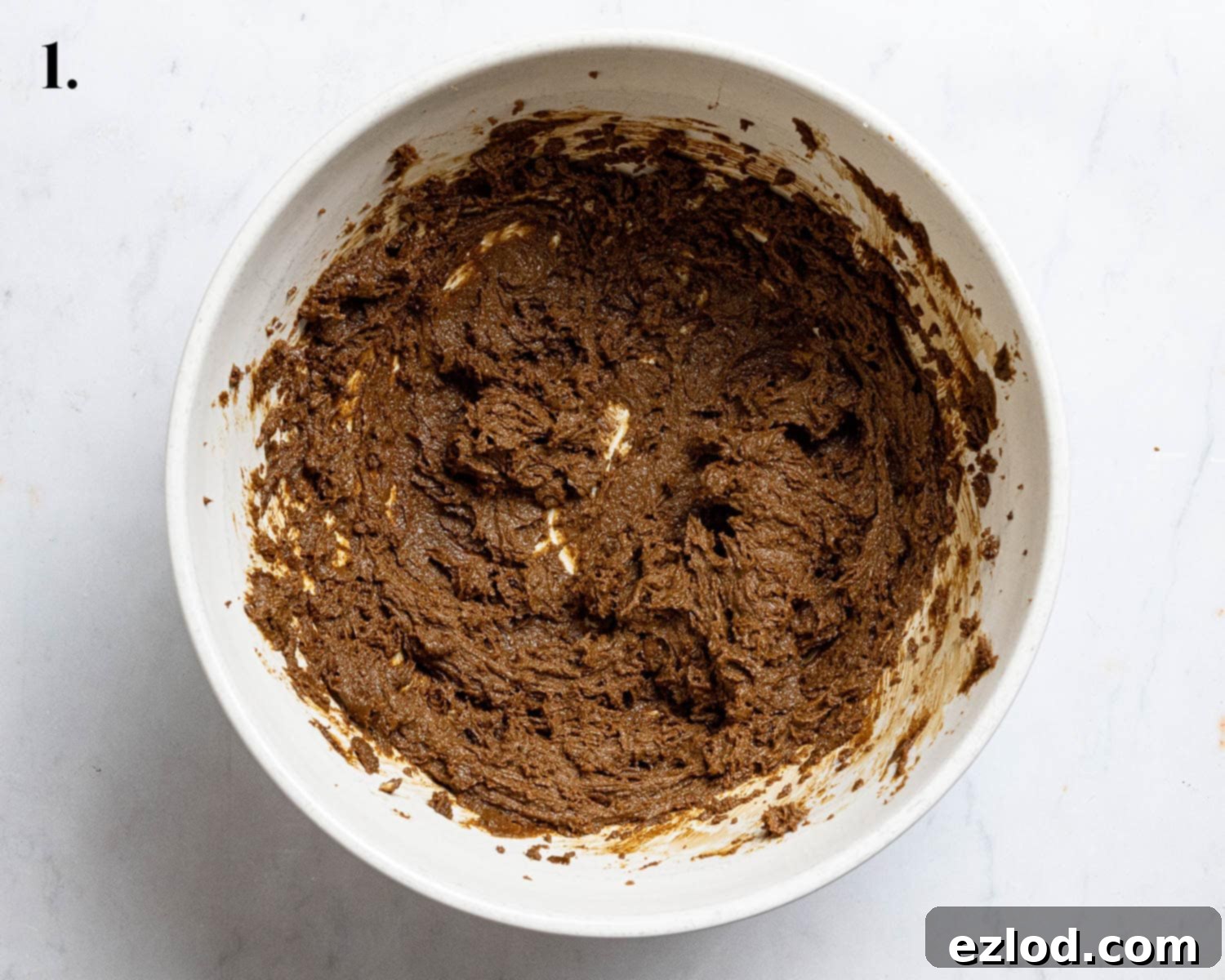
- Step 1: In a large bowl, whisk together the vegan butter, treacle, and dark brown sugar until the mixture is light and fluffy.
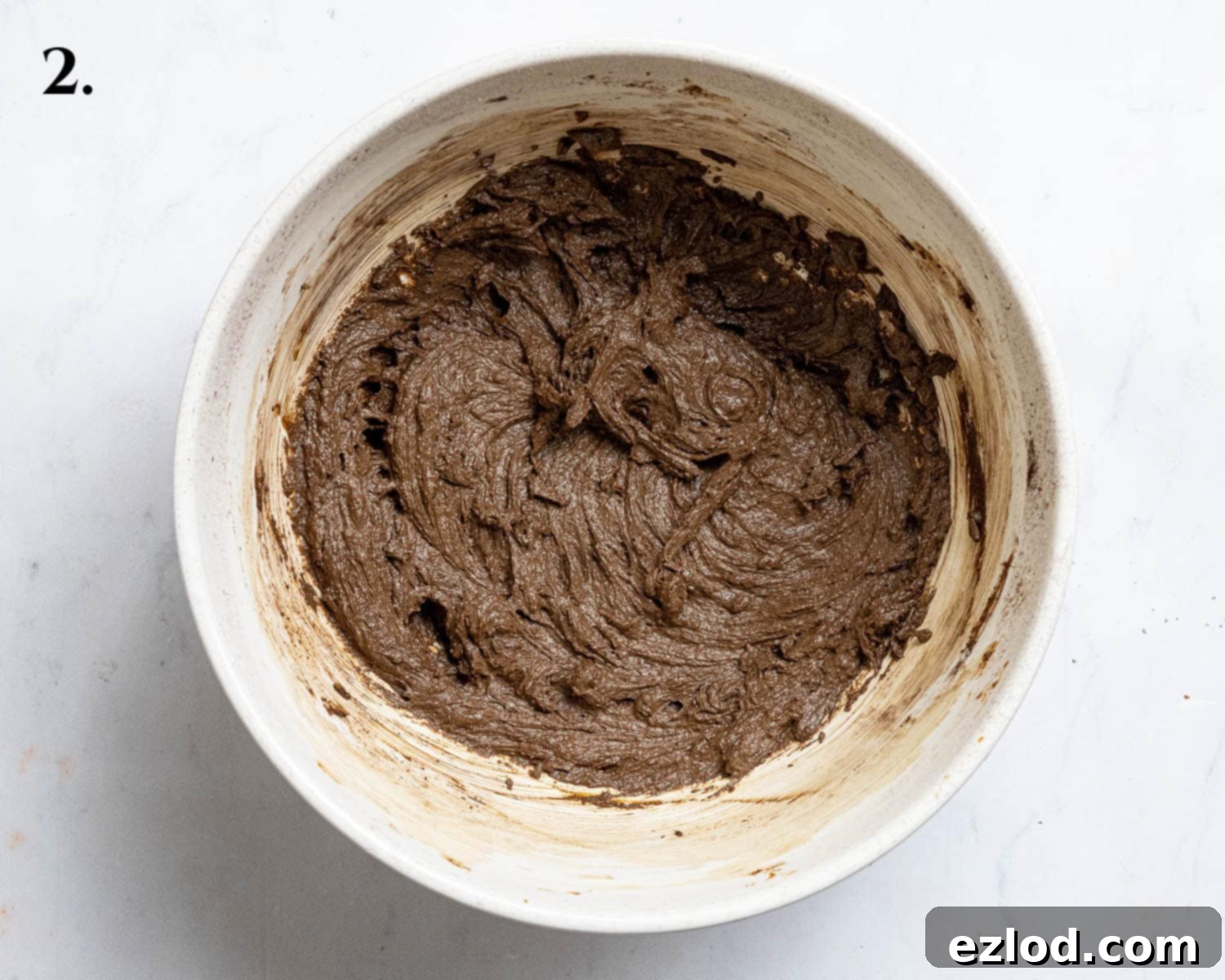
- Step 2: Gradually whisk in the non-dairy milk, cornflour, cocoa powder, baking soda, salt, and all the warming spices until well combined.
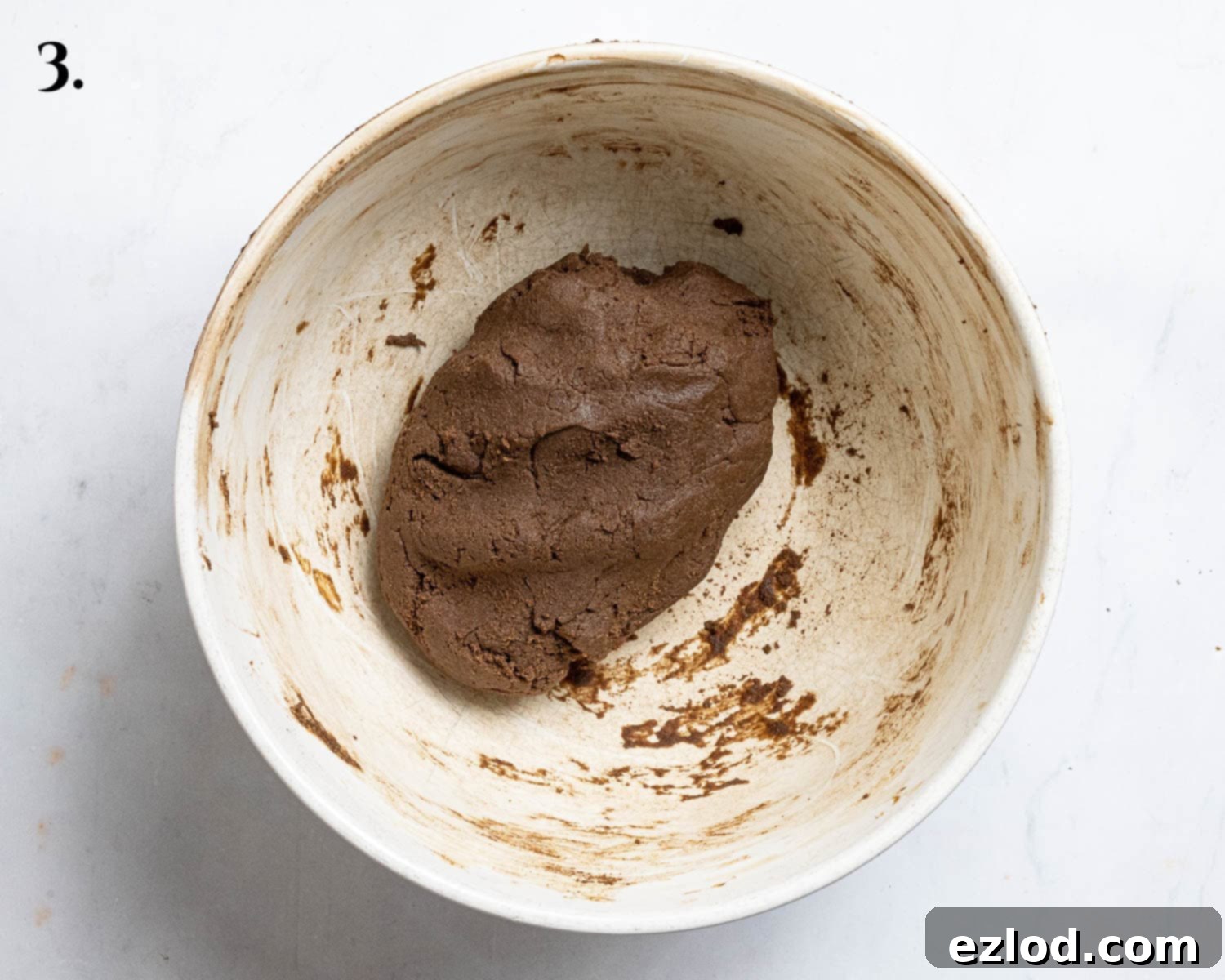
- Step 3: Gently add the plain flour and mix until a smooth dough forms. Wrap the dough tightly in plastic wrap and refrigerate for at least 1 hour to allow it to firm up.
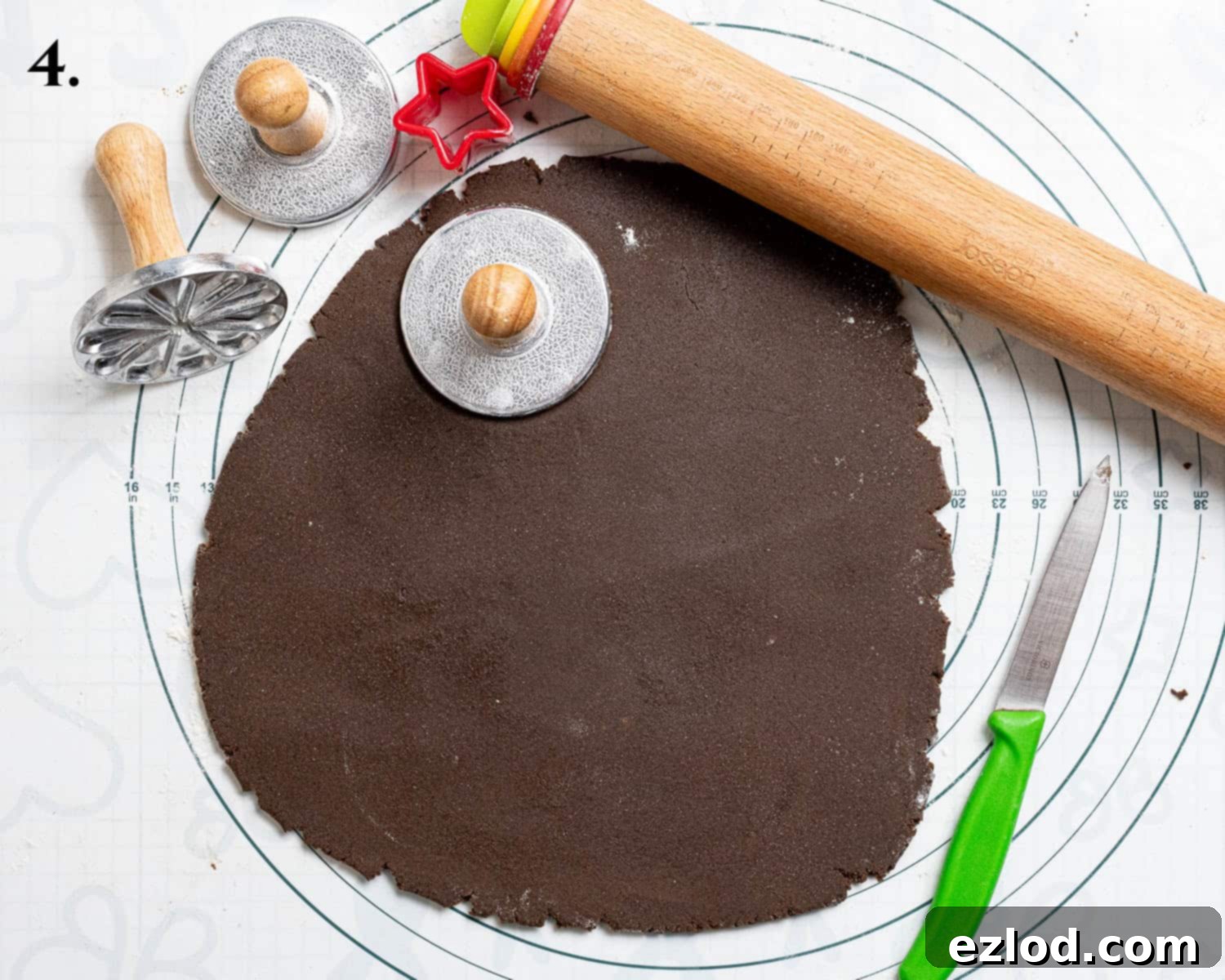
- Step 4: On a lightly floured surface, roll out the chilled dough to your desired thickness (about 6-8mm). Use your favorite cookie stamps to create festive patterns in the dough.
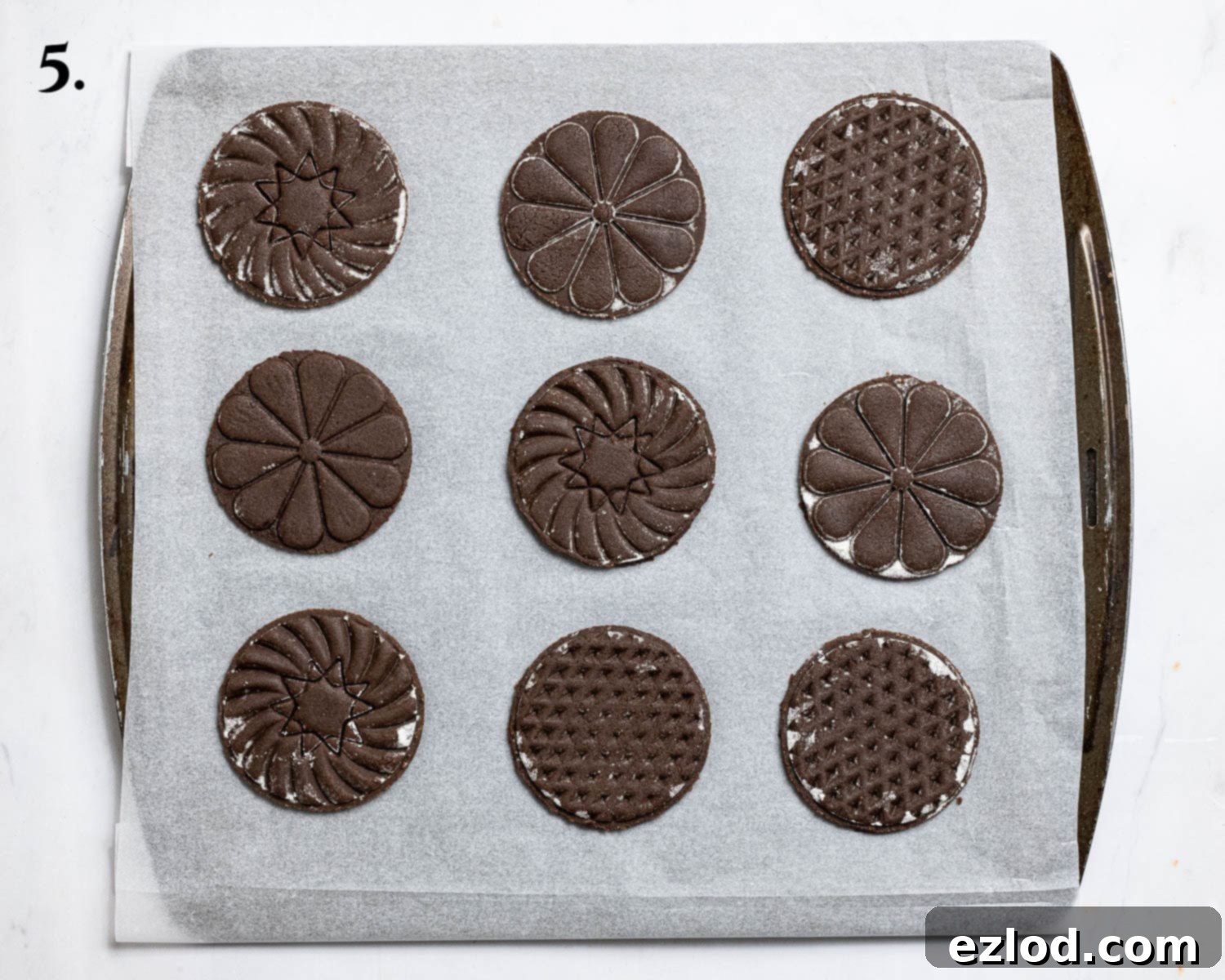
- Step 5: Cut out the stamped cookies using a cookie cutter or a sharp knife, carefully tracing around the edges of the stamp. Place the cut-out cookies on two baking trays lined with parchment paper, leaving some space between each cookie. Refrigerate the trays for 15 minutes.
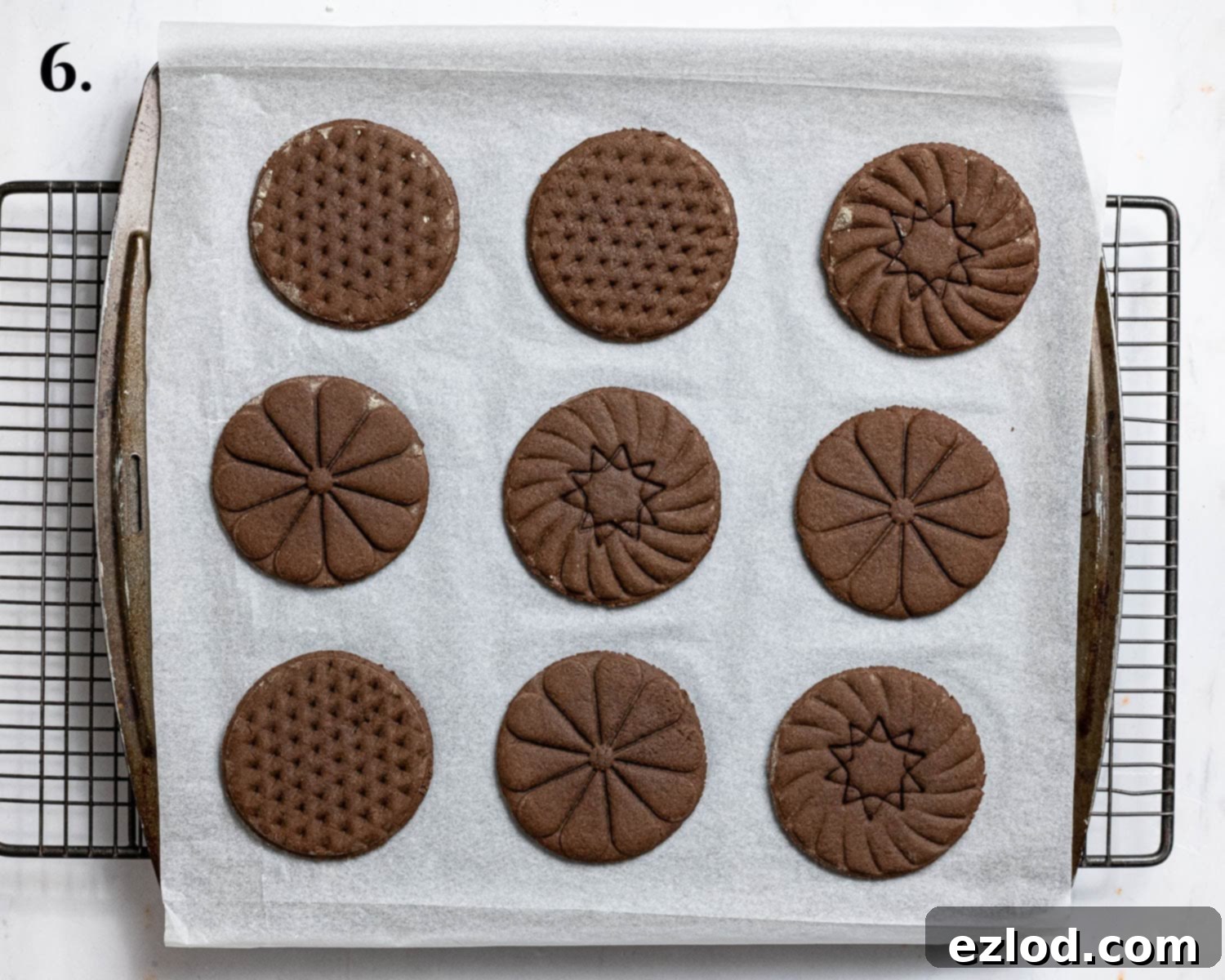
- Step 6: Bake the chilled cookies in a preheated oven at 190°C (170°C fan/375°F/Gas Mark 5) for 10 minutes, or until the edges are golden brown.
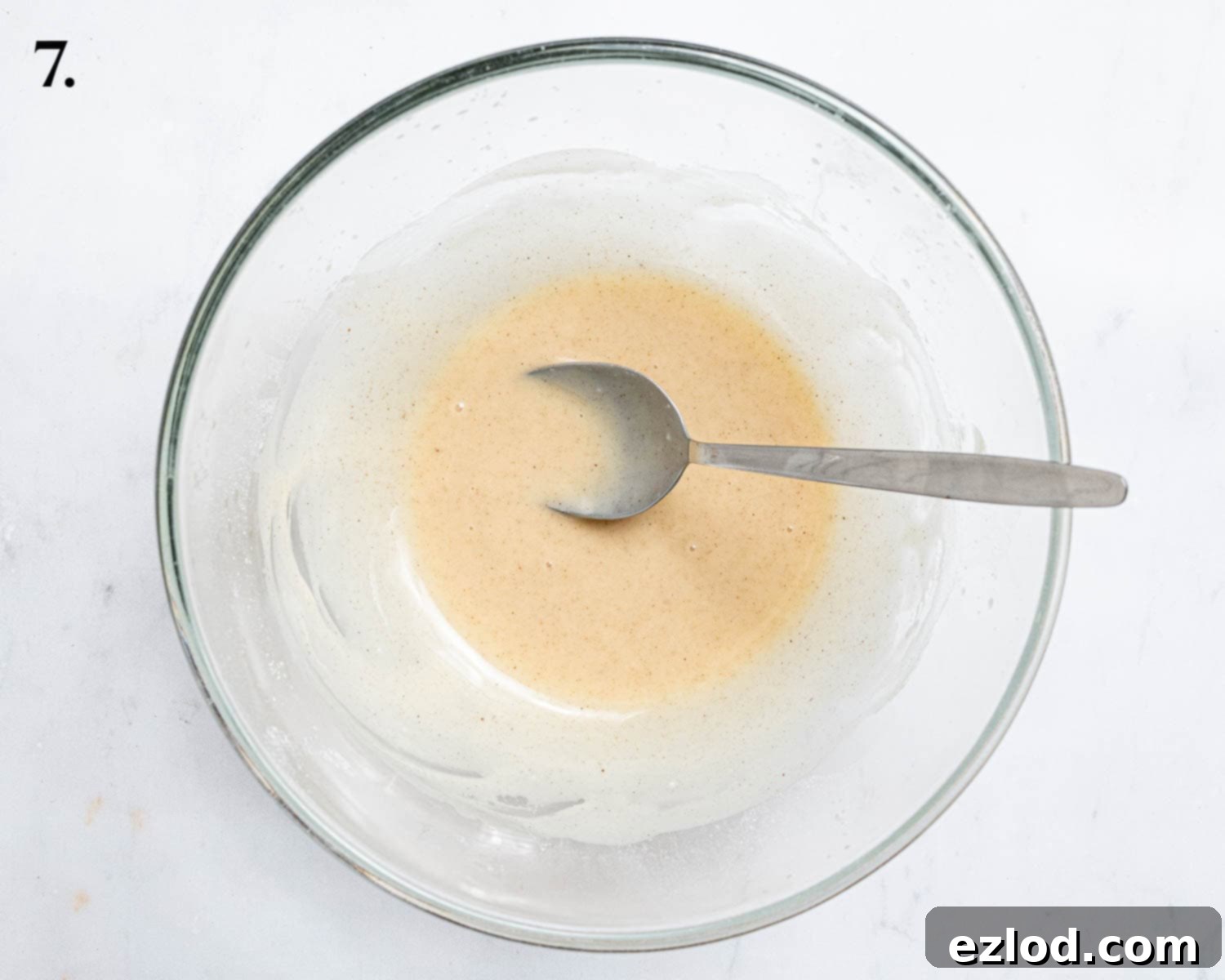
- Step 7: While the cookies are baking, prepare the glaze. In a bowl, whisk together the icing sugar, melted vegan butter, dark rum (or lemon juice), cinnamon, and warm water until smooth. Adjust the consistency by adding a tiny drop of hot water if necessary.
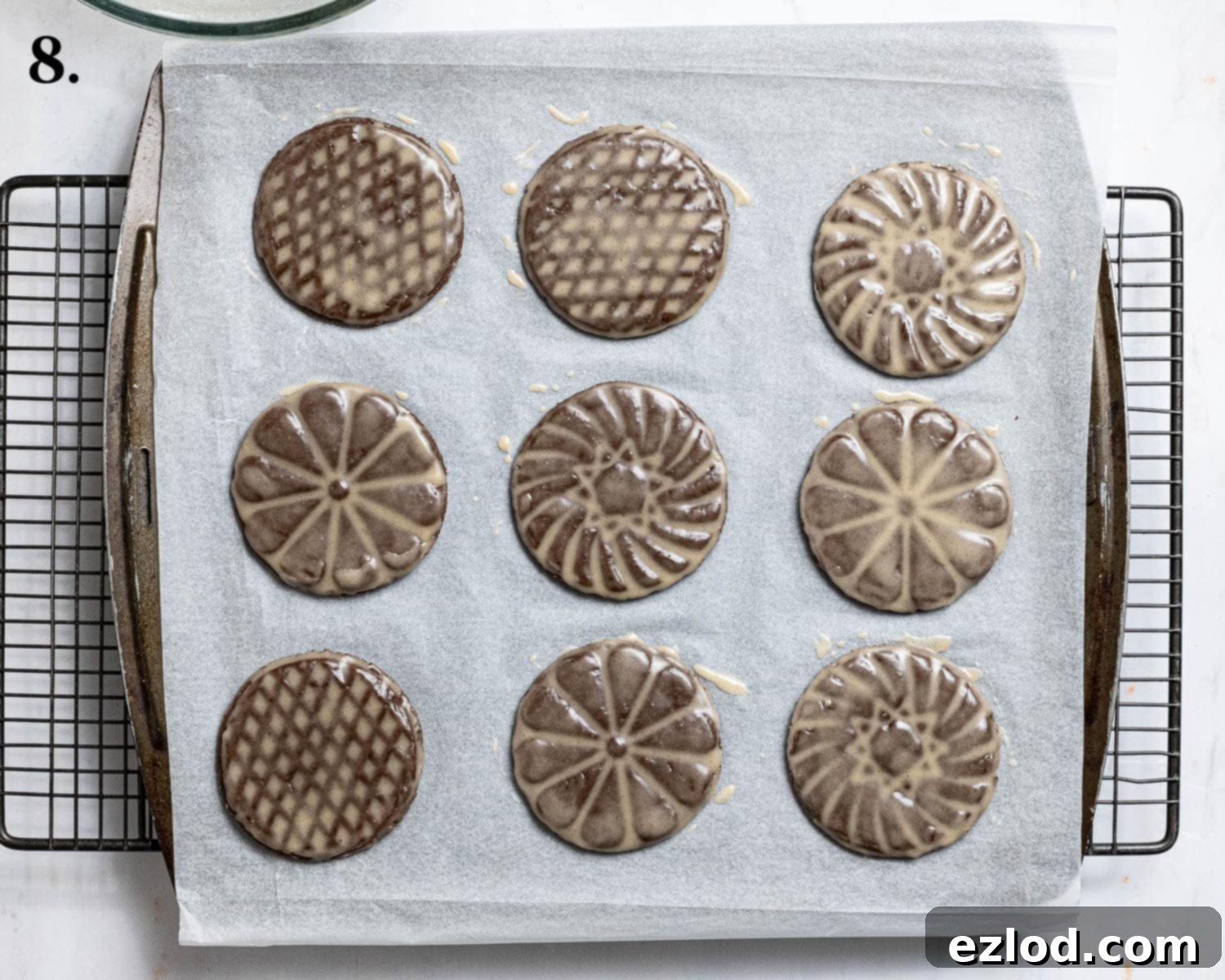
- Step 8: Once the cookies are baked and slightly cooled, use a pastry brush to generously brush the glaze over each cookie, ensuring that the glaze seeps into all the intricate details of the stamped patterns.
Essential Tips for Gingerbread Cookie Perfection
To ensure your vegan glazed gingerbread cookies are a resounding success, keep these helpful tips in mind:
For consistent and accurate results, I highly recommend using metric measurements and a digital kitchen scale rather than relying on cup conversions. Cups can be wildly inaccurate, and a scale will ensure that your ingredient ratios are spot-on.
When measuring tablespoons and teaspoons, use proper measuring spoons, not regular kitchen spoons. A tablespoon is precisely 15ml, and a teaspoon is 5ml. Make sure to level off the ingredients for accurate measurements.
I rolled out my cookie dough to a thickness of 6mm, which resulted in fairly thin cookies (as far as gingerbread goes). If you prefer thicker cookies, roll the dough out to about 8mm. Using a rolling pin with thickness rings can be incredibly helpful for rolling out dough to a consistent thickness.
Brush the glaze onto the cookies while they are still warm. This will help the glaze to evenly coat every nook and cranny of the cookie’s surface.
If the glaze starts to become too thick, add a drop more warm water to thin it out. The glaze should be slightly runny so that it accentuates the cookie’s pattern without obscuring it.
The number of cookies you yield from this recipe will depend on the thickness of the dough and the size of your cookie cutters. I obtained approximately 18 cookies by rolling the dough to 6mm thick and using an 8cm (3-inch) cookie stamp.
These cookies are designed to have a soft-baked texture. However, if you prefer a crisper cookie, simply bake them for a longer duration. I would estimate around 15-20 minutes, but it’s best to bake a few test cookies to determine the exact baking time for your preferred texture.
Maximizing the Definition of Your Cookie Patterns
To achieve the most stunning and well-defined patterns on your stamped gingerbread cookies, follow these guidelines:
When using cookie stamps, ensure that the pattern is imprinted deeply enough to remain visible after baking, but not so deeply that it goes all the way through the dough or weakens the cookie’s structure. Stamping about one-third of the way through the dough is usually ideal.
Apply firm and even pressure on the stamp to ensure that the design is imprinted uniformly across the dough.
Always chill the dough before rolling it out. If the dough is too soft, it will be difficult to stamp effectively.
Chill your cookie stamps and dust them with flour before using them. This will help prevent the dough from sticking to the stamps. If the dough still sticks, try chilling it for a longer period or adding a touch more flour.
Chill the stamped, cut-out cookies before baking. This will help them retain their shape during baking.
Frequently Asked Questions
If you don’t have cookie stamps or prefer not to purchase them, here are a few alternative options:
1: Use an embossed rolling pin to create patterns on the cookies before cutting them out.
2: Examine your glassware collection – crystal-cut glasses often have intricate patterns on the base that can be used as stamps.
3: Gently press small cookie cutters into the dough to create shapes. Be careful not to press all the way through the dough.
4: Embrace simplicity! Cut out plain rounds and top them with the glaze after baking. These vegan glazed gingerbread cookies will still taste incredible without any patterns.
Store the cookies in an airtight container at room temperature for up to 5 days to maintain their freshness and flavor.
The cookie dough can be prepared in advance and stored in the refrigerator for up to 3 days. Ensure that the dough is tightly wrapped to prevent it from drying out. If the dough becomes too firm, allow it to sit at room temperature for about 30 minutes before rolling.
While I don’t recommend freezing the glazed cookies, you can freeze the unbaked cookies. Cut out the cookies and arrange them in a single layer on a baking sheet lined with parchment paper. Once frozen solid, transfer them to a freezer-safe container. The cookies can be baked directly from the freezer without thawing, but they may require an extra minute or two in the oven.
Explore More Vegan Ginger Cookie Recipes
- Vegan Gingerbread Cookies
- Vegan Lebkuchen
- Chewy Ginger Cookies (Vegan)
- Vegan Gingerbread Biscotti
- Ginger Shortbread Cookies
Stay in touch with me through social media @ Instagram, Pinterest and Facebook, and subscribe via email to get all our latest recipes!
All images and content are copyright protected. If you want to share this recipe, please use the share buttons provided. Do not screenshot or post the recipe or content in full. Instead, include a link to this post for the recipe.